The wonders of the heavens, being a popular view of astronomy, including a full illustration of the mechanism of the heavens; embracing the sun, moon, and stars, with descriptions of the planets, comets, fixed stars, double stars, the constellations, the galaxy, or milky-way, the zodiacal light, aurora borealis, or norhtern lights, meteors, clouds, falling stars, aërolites, &c (1837)
Bradford, Duncan. [from old catalog] · Boston, American stationers company · leaf 218
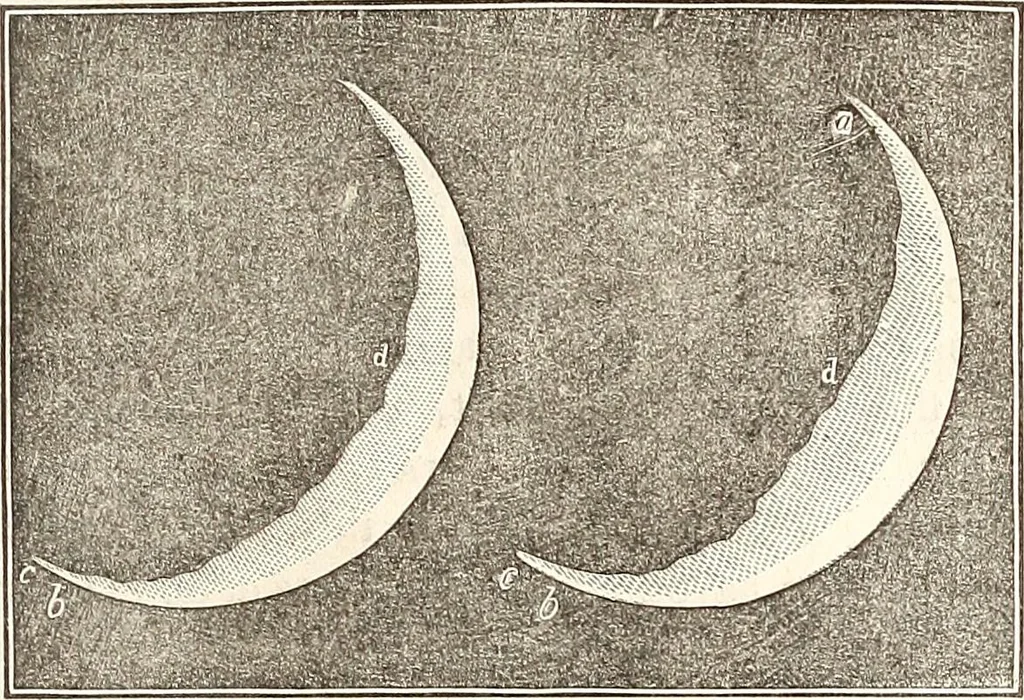
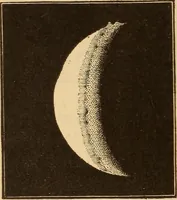
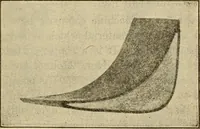
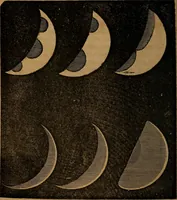
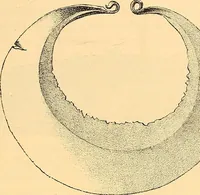
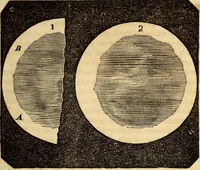
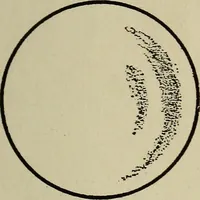
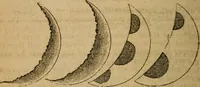
enlight-ened mountain in the dark hemisphere, as it haddone on the twenty-eighth of December, 1789, atfive oclock in the morning. Hence the period ofVenuss rotation must be twenty-three hours,twenty minutes, fifty-nine seconds—only about oneminute less than the time given by Cassini. Thealternate… … The luminous margin, which we have alreadymentioned, induced Schroeter to believe that Venushad an atmosphere of considerable extent. At theinterior edge, the light becomes dim till it losesitself in a faint bluish gray, and forms a raggedmargin, (as in the above plate,) which it is difficultto…
Astronomy
Internet Archive · Library of Congress · Public Domain Mark 1.0. Free to use for anything.