The wonders of the heavens, being a popular view of astronomy, including a full illustration of the mechanism of the heavens; embracing the sun, moon, and stars, with descriptions of the planets, comets, fixed stars, double stars, the constellations, the galaxy, or milky-way, the zodiacal light, aurora borealis, or norhtern lights, meteors, clouds, falling stars, aërolites, &c (1837)
Bradford, Duncan. [from old catalog] · Boston, American stationers company · leaf 218
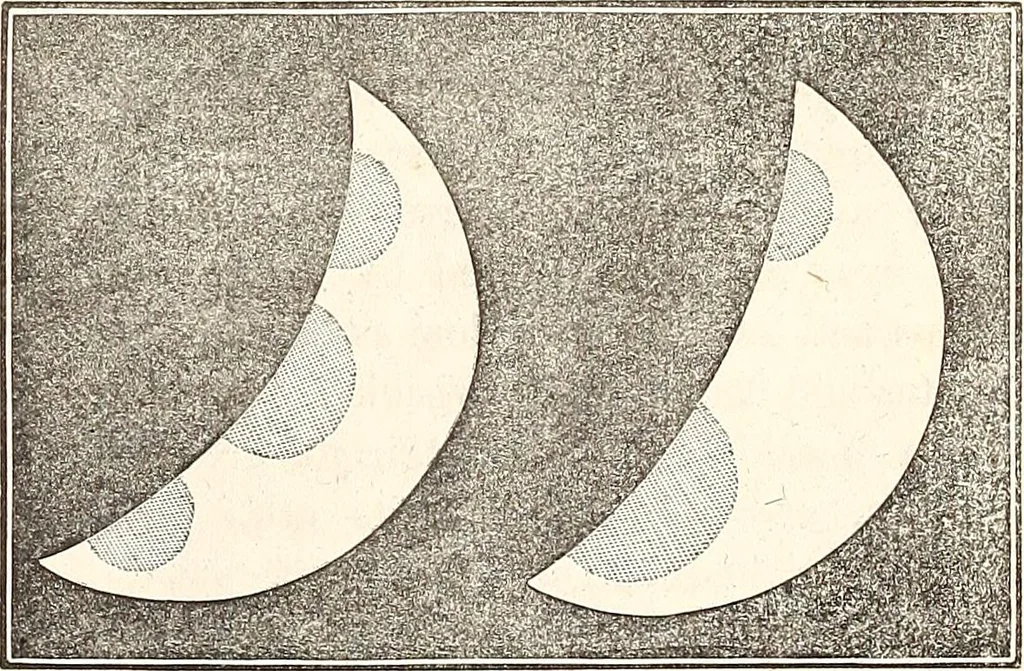
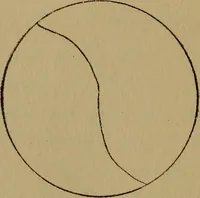
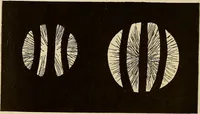
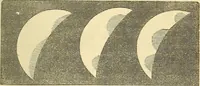
, whence itcould not be strictly spherical. When the brightprolongation was not considerable, twilight had itsdue effect, and the true spherical arc of the darklimb appeared faintly illuminated. From theseobservations, Schroeter calculated that the de?isepart of Venuss atmosphere is about sixteen… … is a sufficient reason why we do not discover, onthe surface of the planet, those shades and varieties 170 WONDERS OF THE HEAVENS of appearance which are to be seen on the otherplanets. The preceding plate represents Venus as seen byBianchini. MARS. This planet is the next to the earth in the…
Astronomy
Internet Archive · Library of Congress · Public Domain Mark 1.0. Free to use for anything.