The wonders of the heavens, being a popular view of astronomy, including a full illustration of the mechanism of the heavens; embracing the sun, moon, and stars, with descriptions of the planets, comets, fixed stars, double stars, the constellations, the galaxy, or milky-way, the zodiacal light, aurora borealis, or norhtern lights, meteors, clouds, falling stars, aërolites, &c (1837)
Bradford, Duncan. [from old catalog] · Boston, American stationers company · leaf 220
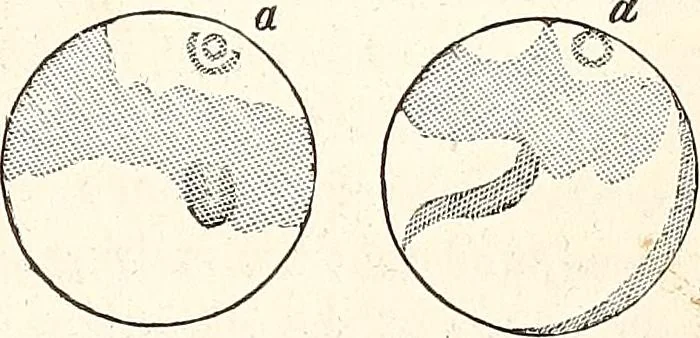
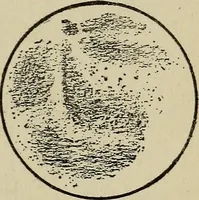
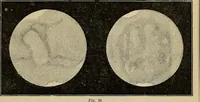
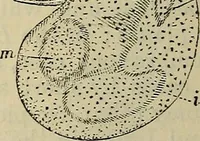
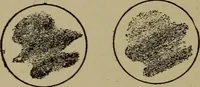
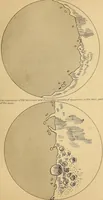
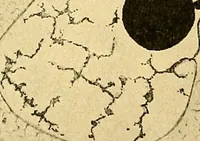
place of the nodes, of Mars. The polar spots arerepresented in the several figures accompanying, in 172 WONDERS OF THE HEAVENS which a is the south polar, and b the north polar,spot. In the second figure, the south polar spothas a singular appearance, similar to what wasobserved by Maraldi. In…
Astronomy
Internet Archive · Library of Congress · Public Domain Mark 1.0. Free to use for anything.