The wonders of the heavens, being a popular view of astronomy, including a full illustration of the mechanism of the heavens; embracing the sun, moon, and stars, with descriptions of the planets, comets, fixed stars, double stars, the constellations, the galaxy, or milky-way, the zodiacal light, aurora borealis, or norhtern lights, meteors, clouds, falling stars, aërolites, &c (1837)
Bradford, Duncan. [from old catalog] · Boston, American stationers company · leaf 278
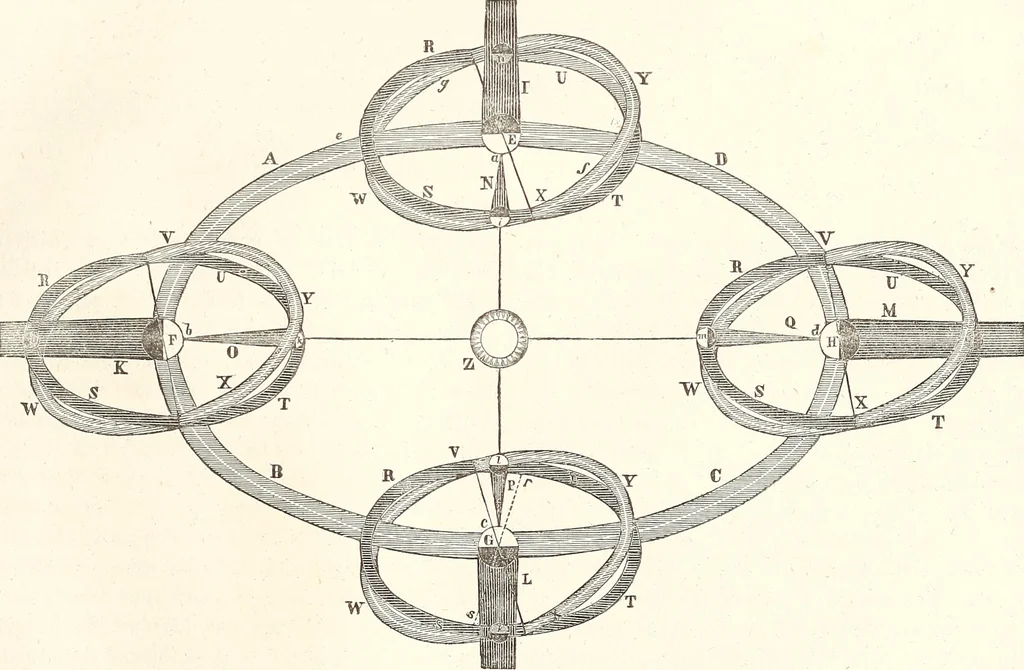
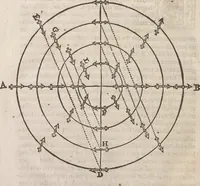
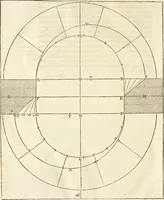
S T U, which is coincident with the plane of theecliptic, its shadow would fall upon the earth everytime it is in conjunction with the sun, and at everyopposition it would go through the earths shadow.Were this the case, the sun would be eclipsed atevery change, and the moon at every full,… … sition n must go through the earths shadow I,because it is then near the other node, yet, in thetime that it goes round the earth to the next changeaccording to the order of the letters X Y V W, theearth advances from E to e according to the orderof the letters E F G H, and the line of the…
Astronomy
Internet Archive · Library of Congress · Public Domain Mark 1.0. Free to use for anything.