The wonders of the heavens, being a popular view of astronomy, including a full illustration of the mechanism of the heavens; embracing the sun, moon, and stars, with descriptions of the planets, comets, fixed stars, double stars, the constellations, the galaxy, or milky-way, the zodiacal light, aurora borealis, or norhtern lights, meteors, clouds, falling stars, aërolites, &c (1837)
Bradford, Duncan. [from old catalog] · Boston, American stationers company · leaf 283
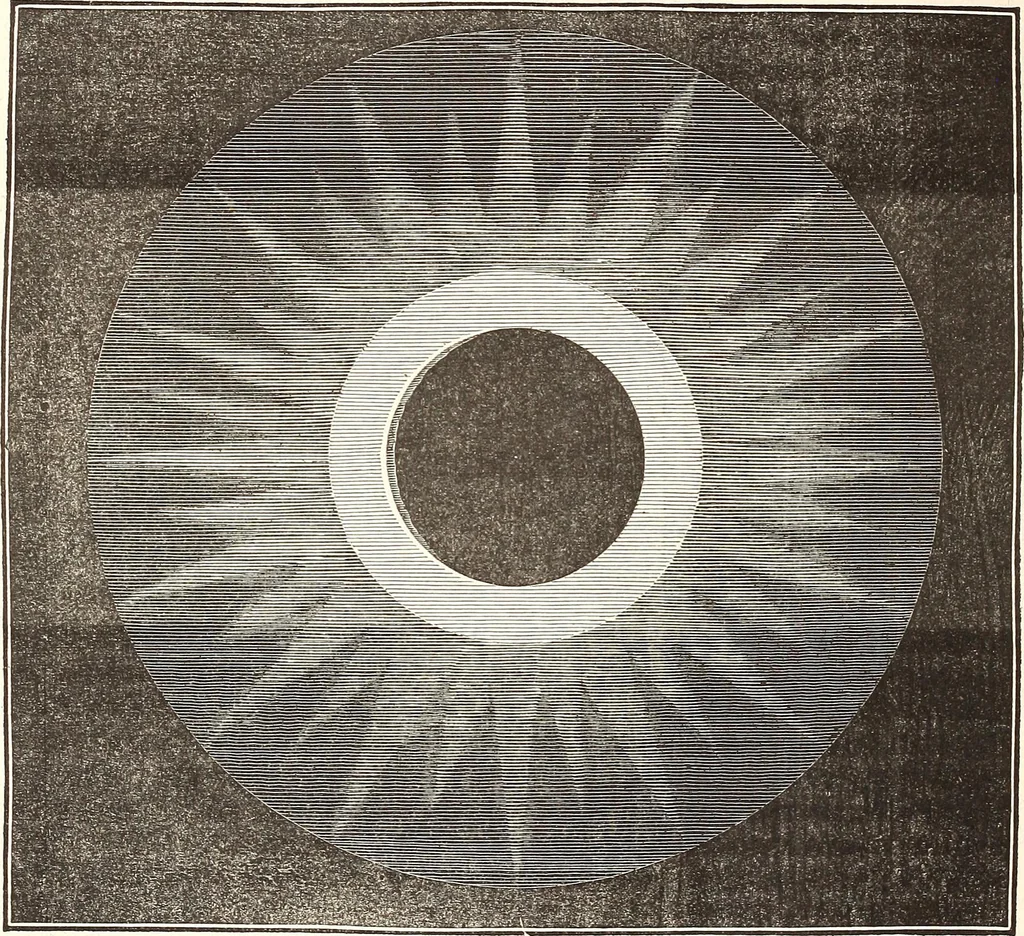
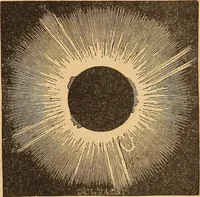
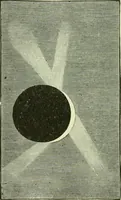
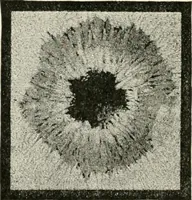
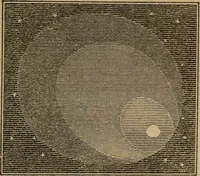
beforethe illumination of the lunar disc, a zone wasobserved to issue, concentric with the sun, and similar in appearance to a cloud illuminated by thesuns rays. It is represented in the plate. But inorder to have a proper conception of what is intendedto be represented, we must transfer our ideas… … an immense radiated glcrry, like a new creation, ina moment bursting on the sight, and for severalminutes fixing the gaze of man in silent amaze-ment. An English paper gives the following descriptionof the appearance of the sun and moon during theannular eclipse of those luminaries, on May 15,1836…
Astronomy
Internet Archive · Library of Congress · Public Domain Mark 1.0. Free to use for anything.