The wonders of the heavens, being a popular view of astronomy, including a full illustration of the mechanism of the heavens; embracing the sun, moon, and stars, with descriptions of the planets, comets, fixed stars, double stars, the constellations, the galaxy, or milky-way, the zodiacal light, aurora borealis, or norhtern lights, meteors, clouds, falling stars, aërolites, &c (1837)
Bradford, Duncan. [from old catalog] · Boston, American stationers company · leaf 288
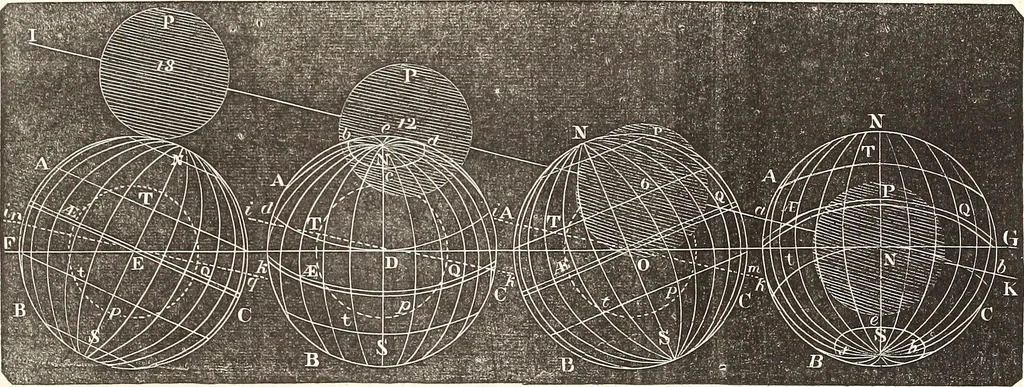
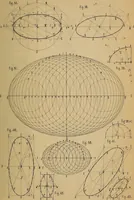
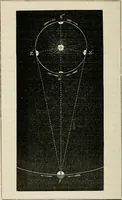
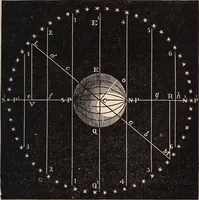
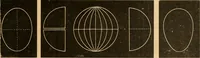
d ahalf degrees toward the sun, falls twenty-three anda half degrees within the enlightened disc, as seenfrom the sun or new moon, which are then verticalto the tropic of Capricorn t twenty-three and a halfdegrees south of the equator JE Q, and the equatorand all its parallels seem elliptic curves… … does it partake of the phenomena relating to them.Thus it appears that from the vernal equinox tothe autumnal, the north pole is enlightened, and theequator and all its parallels appear elliptical, asseen from the sun, more or less curved as the timeis nearer to or farther from the summer…
Astronomy
Internet Archive · Library of Congress · Public Domain Mark 1.0. Free to use for anything.