The wonders of the heavens, being a popular view of astronomy, including a full illustration of the mechanism of the heavens; embracing the sun, moon, and stars, with descriptions of the planets, comets, fixed stars, double stars, the constellations, the galaxy, or milky-way, the zodiacal light, aurora borealis, or norhtern lights, meteors, clouds, falling stars, aërolites, &c (1837)
Bradford, Duncan. [from old catalog] · Boston, American stationers company · leaf 359
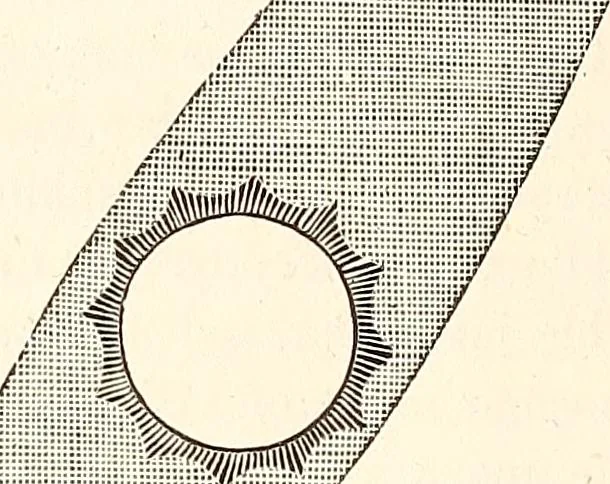
e evening, extend-ing along the ecliptic from the sun. He thinks,however, that it had been seen before and after-ward disappeared, from an observation of J. Chil-drey, in a book published in 1661, in which maybe found the following passage:—In the monthof February, for several years, about six… … does not shine. I believe that this phenomenonhas been before visible, and will hereafter appear,always at the above-mentioned period of the year;but the cause and nature of it I cannot guess, andtherefore leave it to the inquiry of posterity.This phenomenon may be what the ancients calledtrabes,…
Astronomy
Internet Archive · Library of Congress · Public Domain Mark 1.0. Free to use for anything.