The wonders of the heavens, being a popular view of astronomy, including a full illustration of the mechanism of the heavens; embracing the sun, moon, and stars, with descriptions of the planets, comets, fixed stars, double stars, the constellations, the galaxy, or milky-way, the zodiacal light, aurora borealis, or norhtern lights, meteors, clouds, falling stars, aërolites, &c (1837)
Bradford, Duncan. [from old catalog] · Boston, American stationers company · leaf 376
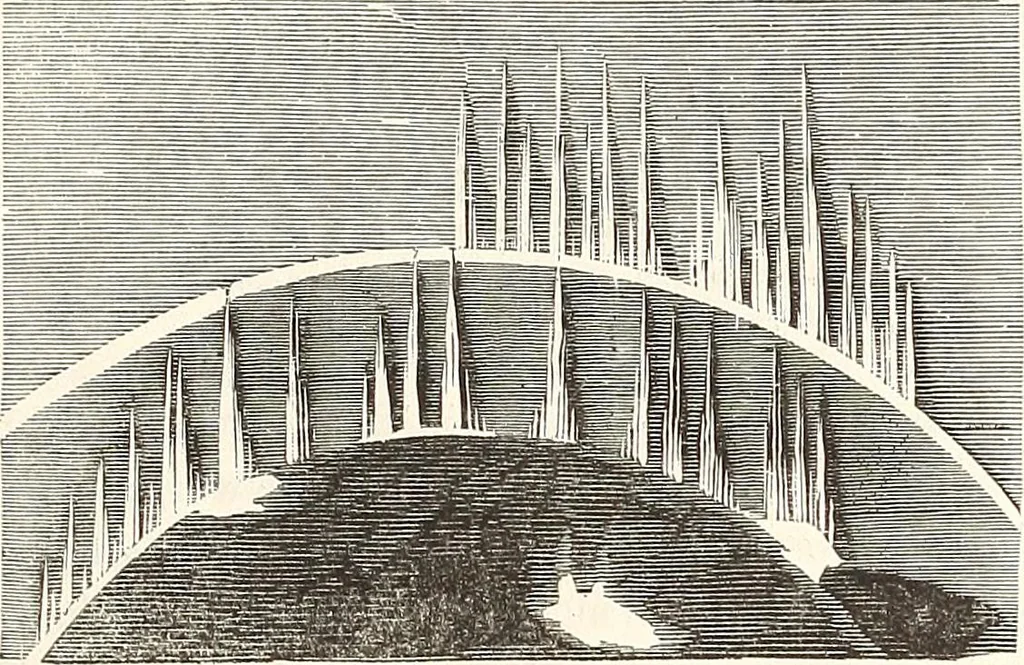
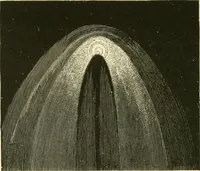
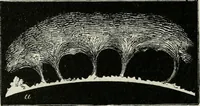
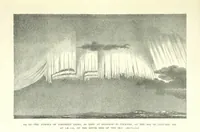
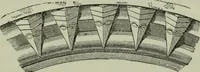
d its accustomed place. The upperarch was constantly paler and more indistinct in tf^ WONDERS OF THE HEAVENS 325 its outline than the others. Faint stars now ap-peared through the vapor, between the two arches,and the lower band became indistinct, excepting tothe left of its central space, where it… … distinct; the lower one was almost obliterated, butits place was well marked by the arch of vaporbelow, which was darker than ever. Three largespots of intense light were now to be seen, one onthe horizontal chord, and one on each side of thelower arch ; and the lower zone shot out innumer-able…
Astronomy
Internet Archive · Library of Congress · Public Domain Mark 1.0. Free to use for anything.