The wonders of the heavens, being a popular view of astronomy, including a full illustration of the mechanism of the heavens; embracing the sun, moon, and stars, with descriptions of the planets, comets, fixed stars, double stars, the constellations, the galaxy, or milky-way, the zodiacal light, aurora borealis, or norhtern lights, meteors, clouds, falling stars, aërolites, &c (1837)
Bradford, Duncan. [from old catalog] · Boston, American stationers company · leaf 40
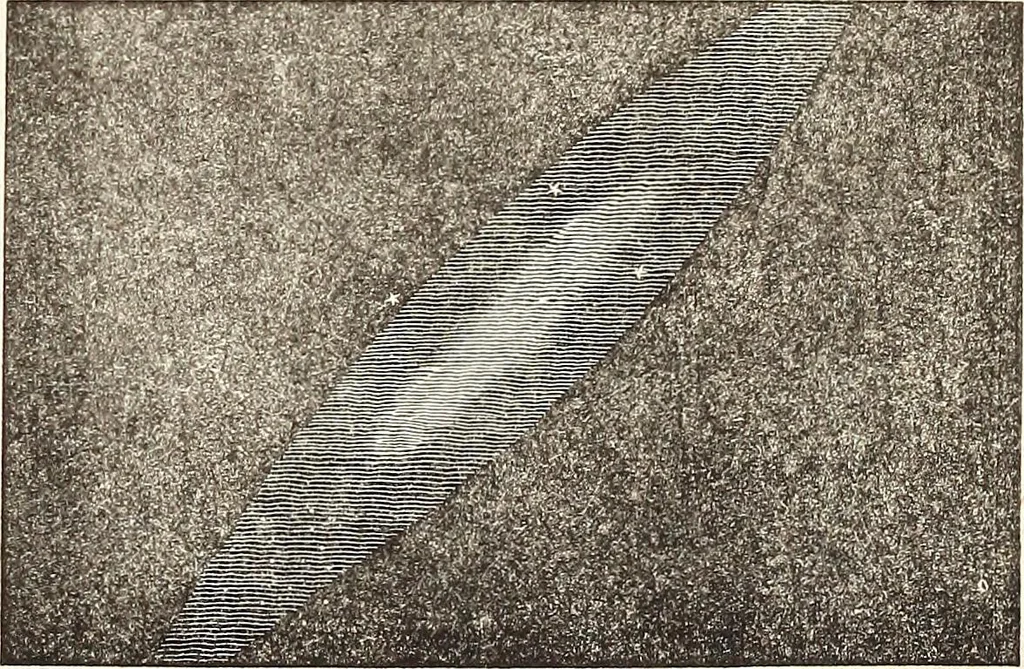
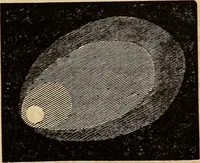
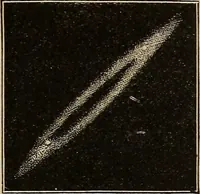
down to us by its discoverer,Huygens, have concluded that its form has under-gone a perceptible change. But when it is consi-dered how difficult it is to represent such an objectduly, and how entirely its appearance will differ,even in the same telescope, according to the clear-ness of the air, or… … in the constellation Andromeda, near the star Nu.It is visible to the naked eye, and is continuallymistaken for a comet, by those unacquainted withthe heavens. Simon Marius, who noticed it in1612, describes its appearance as that of a candle 30 WONDERS OF THE HEAVENS shining through horn, and the…
Astronomy
Internet Archive · Library of Congress · Public Domain Mark 1.0. Free to use for anything.