A Dictionary of science, literature, and art [electronic resource]: comprising the history, description, and scientific principles of every branch of human knowledge; with the derivation and definition of all the terms in general use (1844)
Brande, William Thomas, 1788-1866, Cauvin, Joseph · New York : Harper & brothers · leaf 932
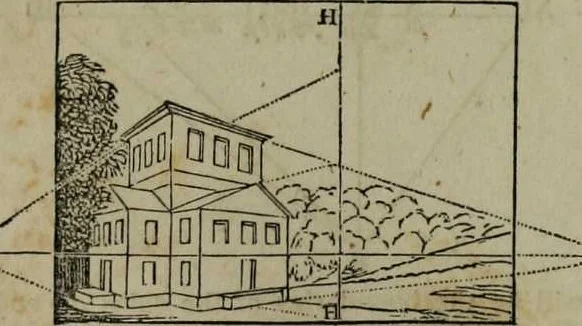
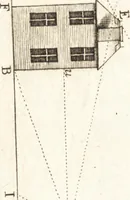
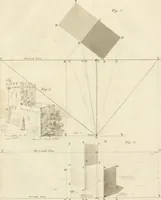
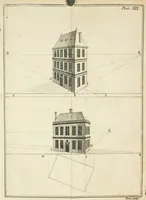
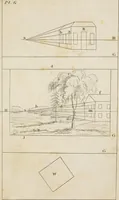
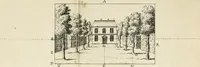
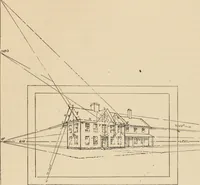
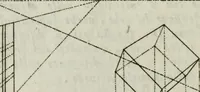
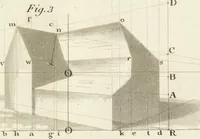
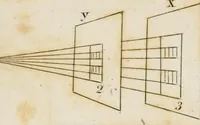
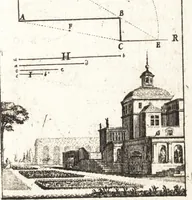
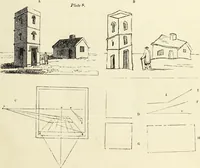
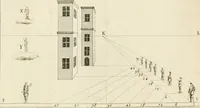
The place of the horizontal line is chosen so asto afford the most agreeable representation of the object; itsheight depending, of course, dn that at which the eyewould most probably be placed, or might be supposed to-be. The visual rays to the eyes are shown by the dottedlines. Having thus… … than sixty degrees, that being as great as the eye can takein without turning the head, though, in internal views,a greater extent is generally tolerated. It is to be observed,that in this diagram the representation, for the sake ofgreater distinctness, is doubled in dimensions from the plan.The…
Humanities · Medicine · Science · Literature · Arts · Encyclopedias and dictionaries
Internet Archive · Medical Heritage Library · Public Domain Mark 1.0. Free to use for anything.