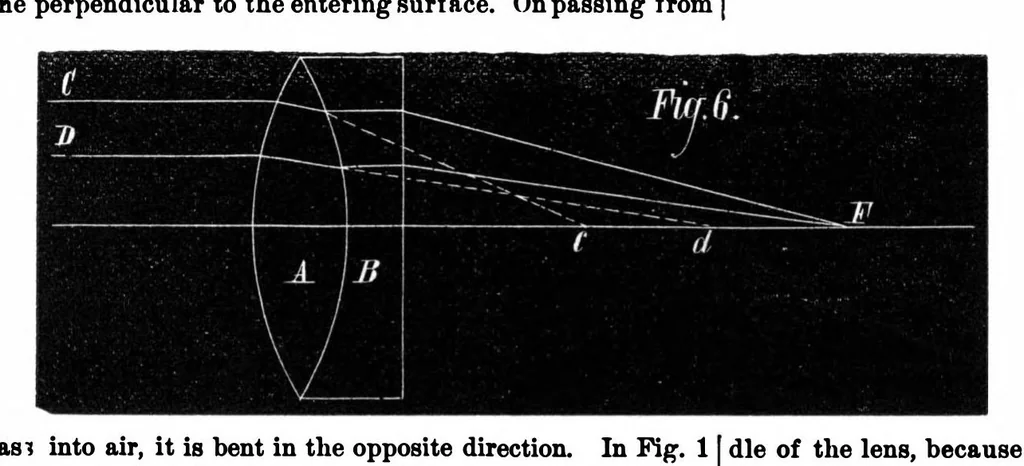
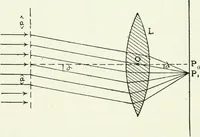
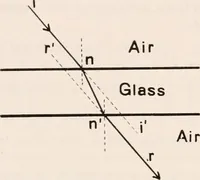
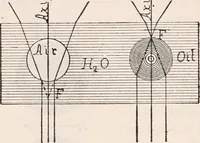
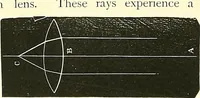
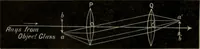
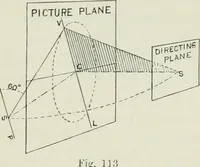
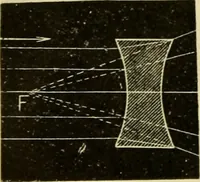
for any other paral- R; but on passing through B, they undergo a reversing pro- lel rays not drawn in the figure, because they would be acted cess, and are brought to a focus at F. Either lens alone on equally by the opposite surfaces of the lens; and they would produc: a chromatic aberration ; but… … glas3 into air, it is bent in the opposite direction. In Fig. 1 dle of the lens, because the angle decreases more and more. they correct each other because they act in opposite direc- the upper half of the circle, above X Y, is a rarer and the low- The point, F, is called the focus, a word meaning…
Internet Archive · Public domain (published before 1931). Free to use for anything.