Ancient faiths embodied in ancient names: or, An attempt to trace the religious belief, sacred rites, and holy emblems of certain nations, by an interpretation of the names given to children by priestly authority, or assumed by prophets, kings, and hierarchs (1872)
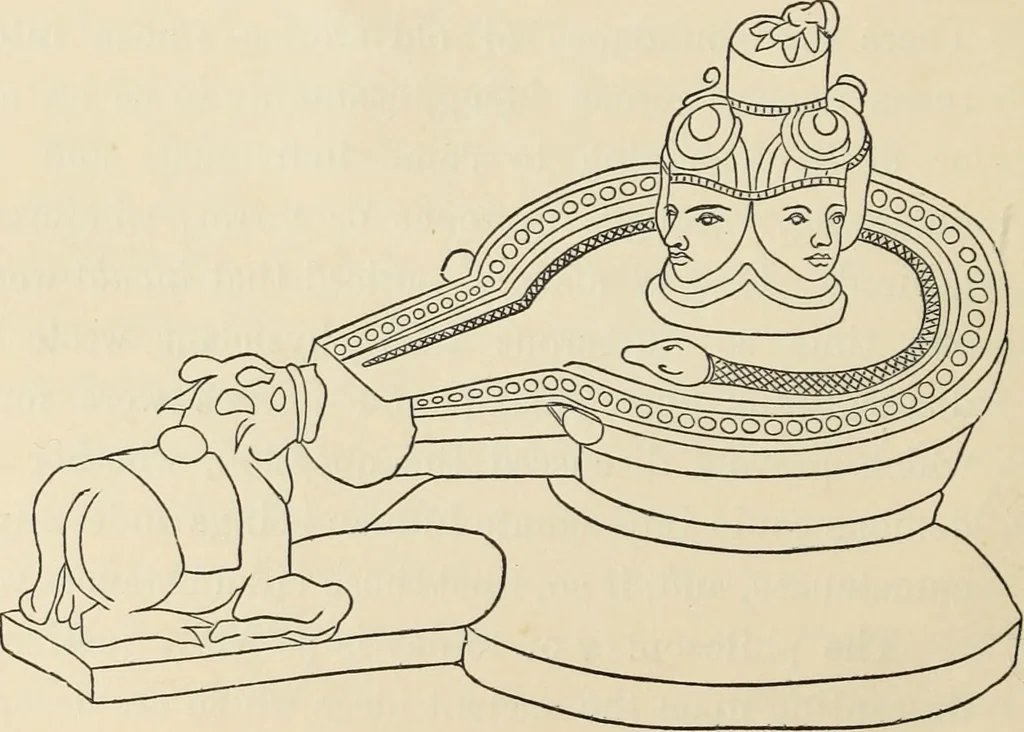
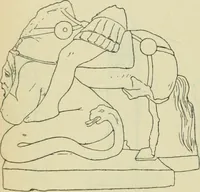
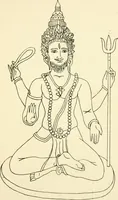
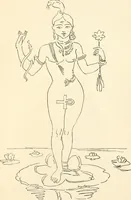
s used as a mark, spot, orsign, the phallus, Siva, nature, or the creative powerand the primary body. Associated with the wordstri, as in strilinga, it signifies the yoni, i.e., quaefacit ar rig ere. The means by which the Linga,Siva or Mahadeva are symbolised are obelises, pillarsof any shape,… … 221 Linga] whole bearing a cap as in Fig. 13, and by a pillarencircled by a serpent as in Fig. 9. In some instancesSiva is represented as an ordinary man. The fre-quency with which the Linga is associated with thecobra is very great, and evidently symbolises theactive condition of the thing…
Religions · Names, Personal · Rites and ceremonies · Symbolism
Internet Archive · Public Domain Mark 1.0. Free to use for anything.