Astronomy in a nutshell, the chief facts and principles explained in popular language for the general reader and for schools (1912)
Serviss, Garrett Putman, 1851-1929, Rouben Mamoulian Collection (Library of Congress) DLC · New York, London, G.P. Putnam's sons · leaf 154
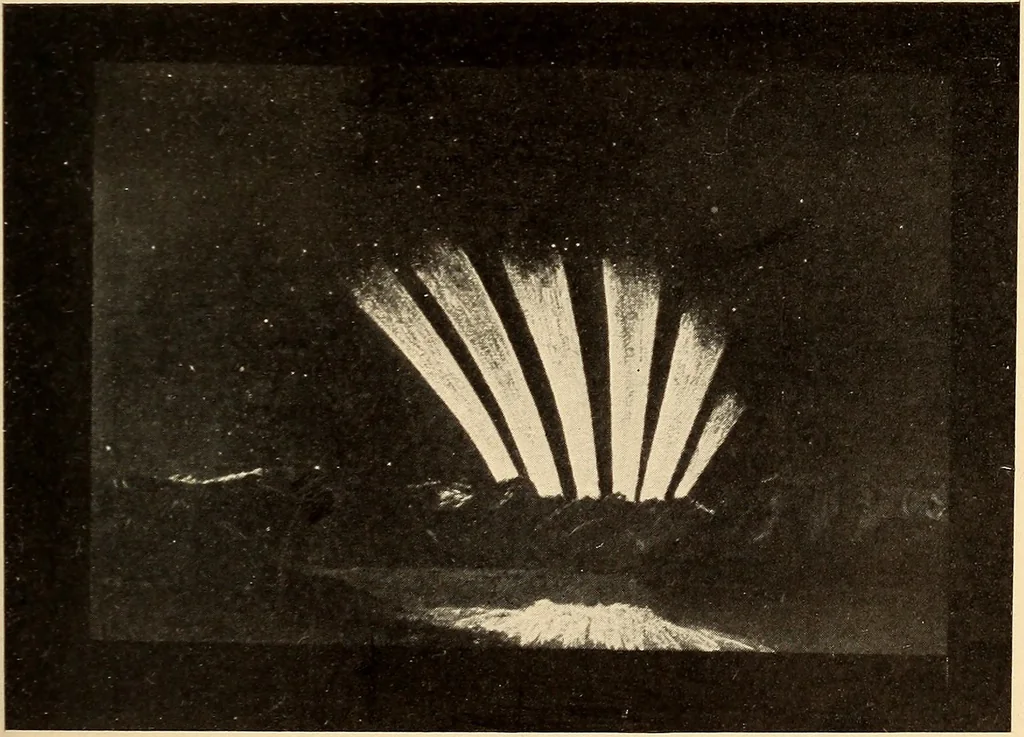
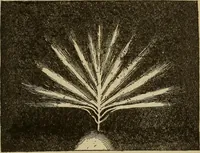
atestheight above the equator or depressed to itsgreatest distance below it. At each pole,in turn, there are six months of continualday followed by six months of continualnight, and when the sun is at one of thesolstices it just touches the horizon on thecorresponding polar circle at the hour… … The Six-Tailed Comet of 1744 From a contemporary drawing. THe Seasons 113 midnight approaches the horizon but doesnot touch it, its midnight elevation in-creasing with nearness to the pole, whileexactly at the pole itself the sun simply movesround the sky once in twenty-four hoursin a circle…
Astronomy
Internet Archive · Library of Congress · Public Domain Mark 1.0. Free to use for anything.