The book of chess: containing the rudiments of the game, and elementary analyses of the most popular openings (1882)
Agnel, H. R. (Hyacinth R.), 1799-1871, Staunton, Howard, 1810-1874 · New York, D. Appleton and company · leaf 105
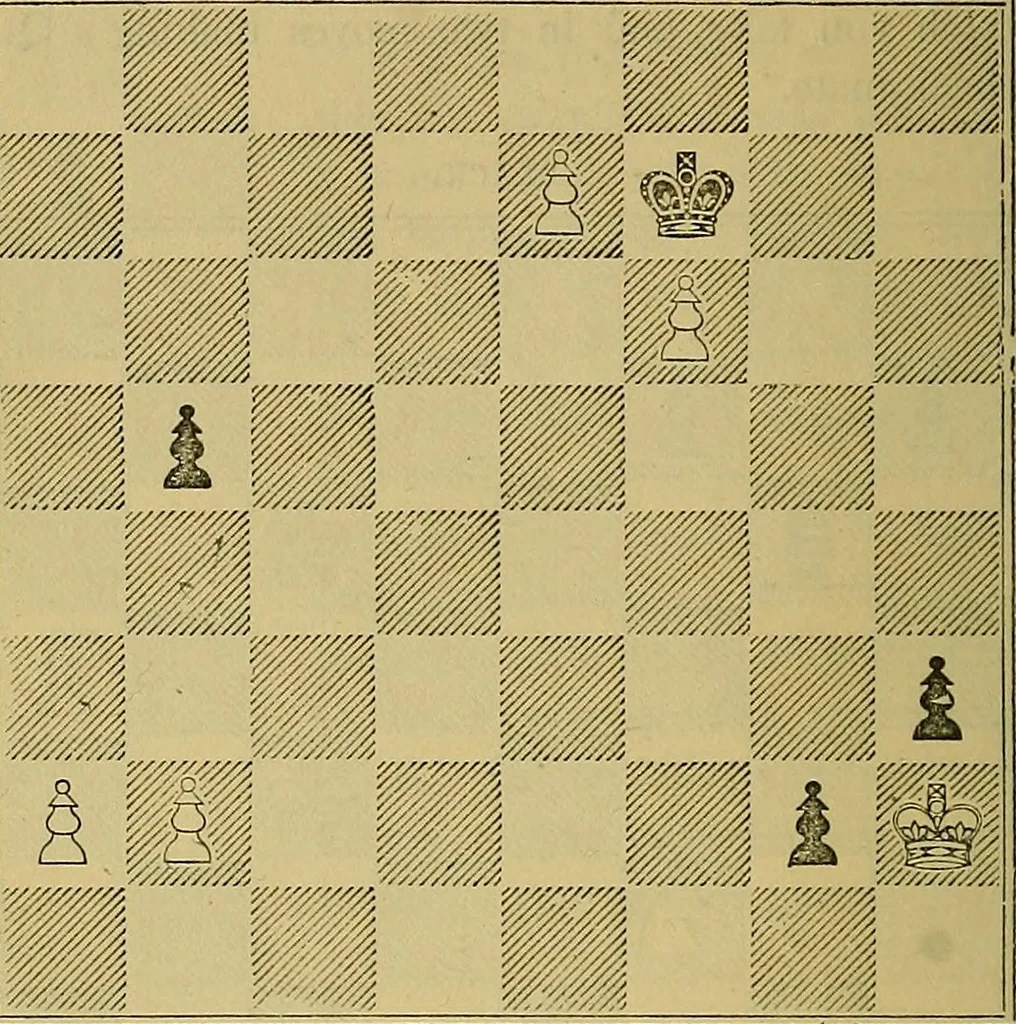
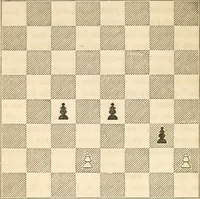
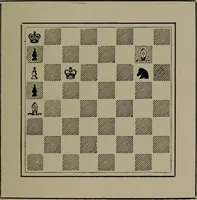
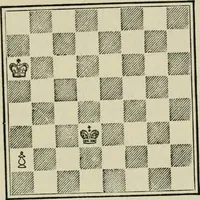
THIRD POSITION. (See next Dia/rram ) In this situation, as neither of the Kings can quit thePovns on the Kings side, the game will depend entirely onthe manner of playing the Pawns on the Queens side. Whe-ther you have the move or not you should begin with Q. R.^. one sq., then Q.. Kt. P. onesq.;… … I. Q. Kt. P. two sq. 1. K. to his sq. It is evident that if you do not advance your R. P. luosq. you cannot possibly win, because he will play his K.alternately to his K. B. 2d sq., and to his own sq. Perhapson looking attentively you may think you ought to advancethe P., because he will be obliged…
Chess
Internet Archive · Library of Congress · Public Domain Mark 1.0. Free to use for anything.