The call of the stars; a popular introduction to a knowledge of the starry skies with their romance and legend (1919)
Kippax, John R. (John Robert), 1849-1922 · New York, London, G. P. Putnam's sons · leaf 309
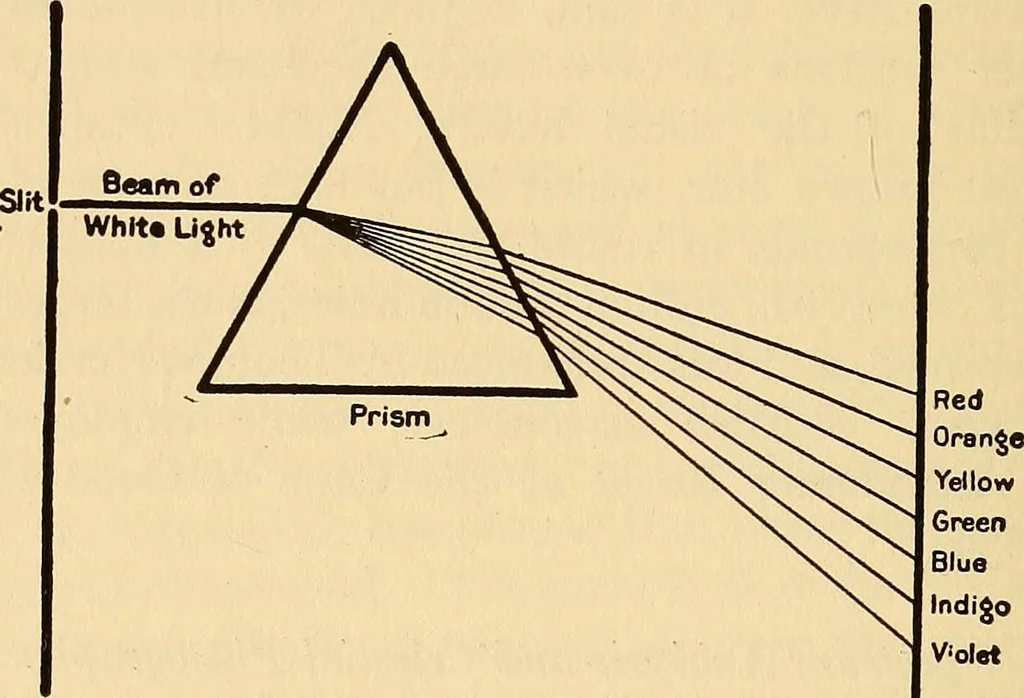
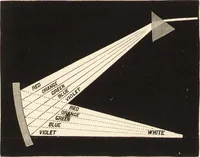
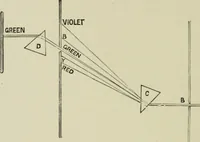
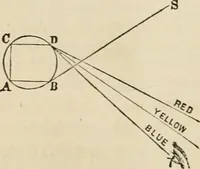
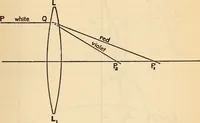
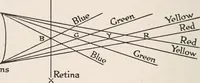
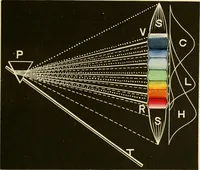
f shorter waves called the ultra-violet (invisible),actinic, or chemical rays, and beyond the red rays, which 252 The Call of the Stars have the longest wave-length, are a series of longerwaves, called the infra-red (invisible), or dark heat rays.This separation of white light into its various… … Fig. 4. Screen , The Dispersion of Light by the Prism. luminous object, will produce a similar band or spectrum,but the appearance of the band, with regard to thepreponderance of different colours, will depend uponthe source and character of the light. By receiving thespectrum on a concave mirror,…
Stars · Constellations · Planets
Internet Archive · Wellesley College Library · Public Domain Mark 1.0. Free to use for anything.