A compendium of astronomy; containing the elements of the science, familiarly explained and illustrated, with the latest discoveries. Adapted to the use of schools and academies, and of the general reader (1850)
Olmsted, Denison, 1791-1859 · New York, R. B. Collins · leaf 159
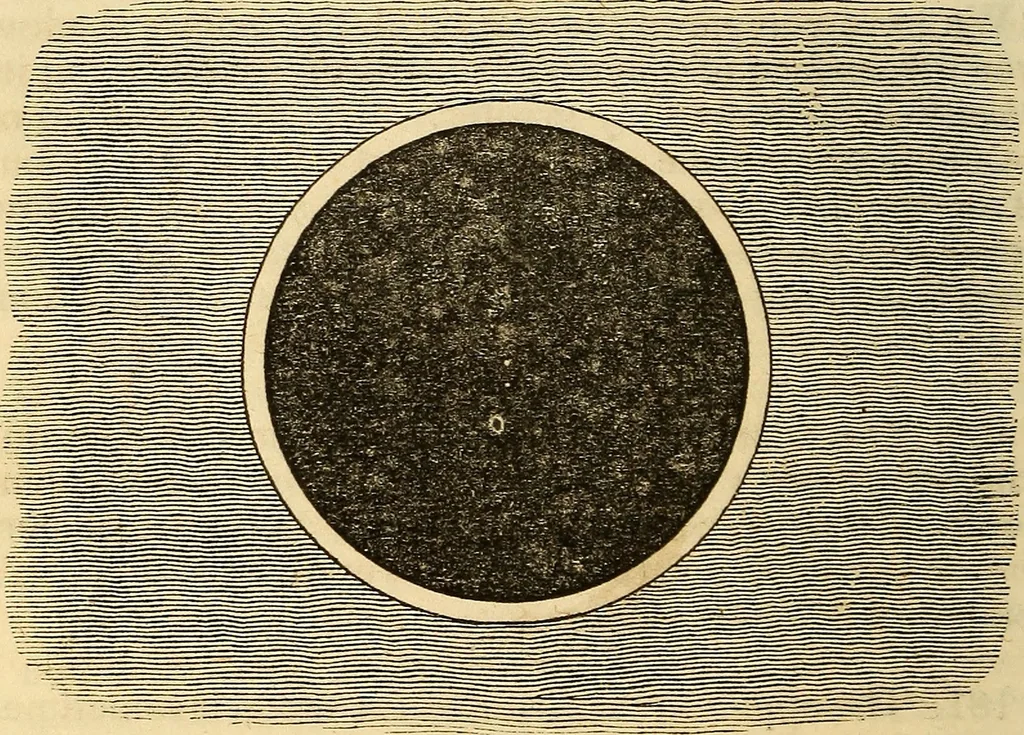
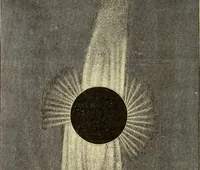
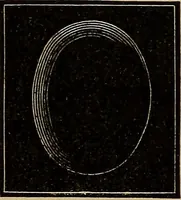
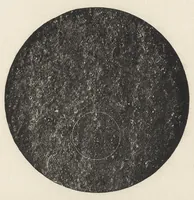
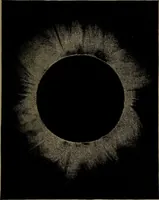
two diameters are equal, the moons shadow justreaches the earth, and the sun is hidden but for a mo-ment from the view of spectators situated in the linewhich the vertex of the shadow describes on the surfaceof the earth. But if, as happens when the moon comesto her conjunction in that part of her… … 180. What cannot the diameter of the moons shadowwhere it eclipses the earth, exceed ? What is the greatestportion of the earths surface ever covered by the moons pe-numbra ? 181. How does the moons apparent diameter compare withthe suns 1 When will the eclipse be total, and when annular ?…
Astronomy
Internet Archive · Library of Congress · Public Domain Mark 1.0. Free to use for anything.