Tyndall, John, 1820-1893 · New York, D. Appleton · leaf 501
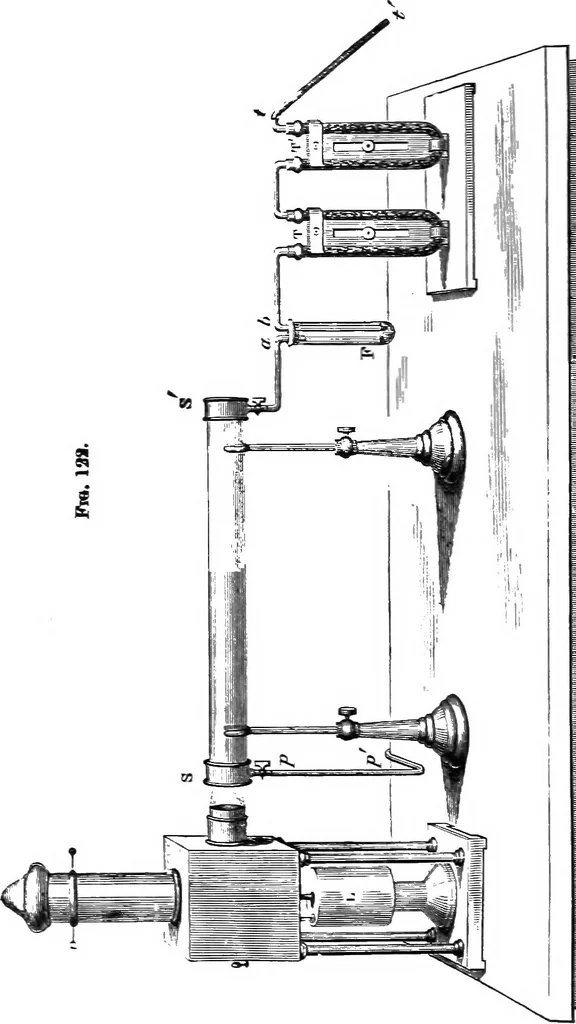
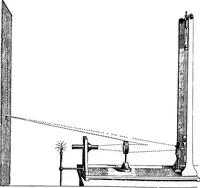
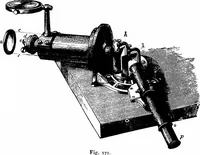
actual. But the method now to be followed, and which consistssimply in offering the vapours of volatile substances tothe action of light, enables us to give a vast extension to theoperations of light, or rather of radiant force, as a chemi-cal agent. It also enables us to imitate in our… … lect. xyi. ACTINIC CLOUDS. 477 broken up by the waves of light, the newly-formed bodiesare comparatively involatile. To keep them in thegaseous form these products of decomposition require ahigher temperature than the vapours from which they arederived ; hence, if the space in which these new…
Heat
Internet Archive · Cornell University Library · Public Domain Mark 1.0. Free to use for anything.