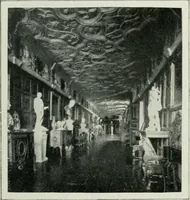
The art of the Uffizi palace and the Florence academy, together with that of the minor museums of Florence, with explanatory and appreciative comment on the notable works therein preserved, and their history and significance (1912)
Heyl, Charles Christian, 1874- · Boston, L. C. Page and company · leaf 212
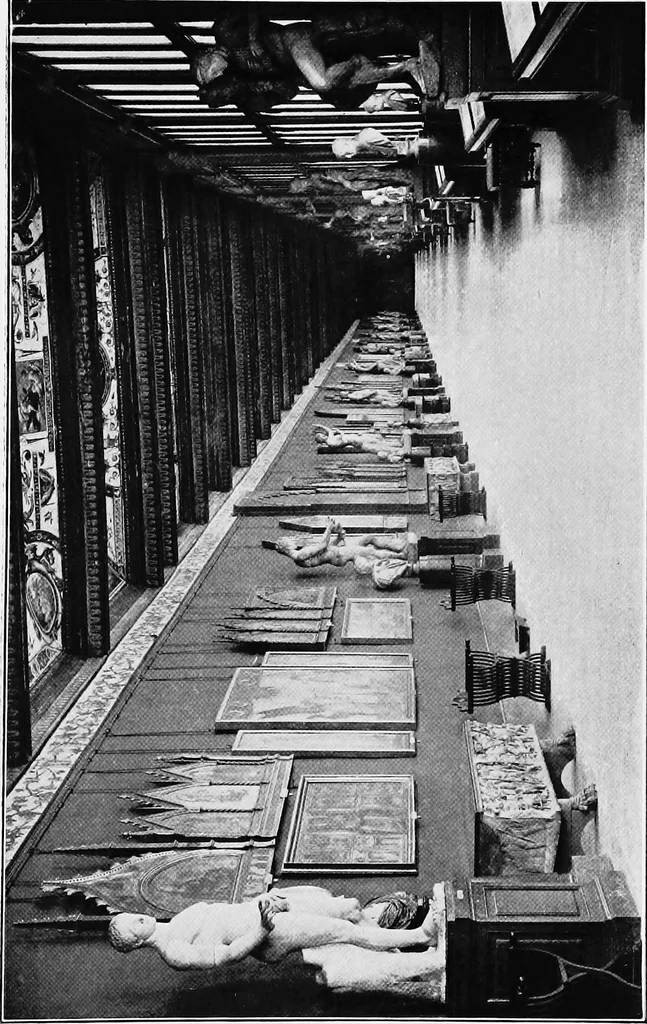
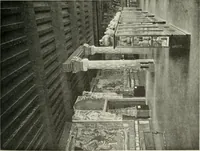
t is clearthat the painters hand was working in a way thatcan be called a distinct manner, a habit resultingfrom long drill and practice. Every stroke of thebrush fell just where it was intended to go, andthere it remained. But the result is the lifelessrepetition of forms that had stiffened into… … xatflsi (Bailers: East Corri&or 157 followed the Byzantine lead, but with much infer-ior technique. A good example of this type ofwork is seen in Number 2, an Italian Madonna ofthe twelfth century. The germ of the great thir-teenth century work of Cimabue may be detectedin this picture. Number…
Galleria degli Uffizi · Accademia di belle arti (Florence, Italy) · Painting
Internet Archive · Cornell University Library · Public Domain Mark 1.0. Free to use for anything.