The emissivity of metals and oxides. I. Nickel Oxide (NiO) in the range 600° to 1300° C (1914)
National Bureau of Standards · leaf 10
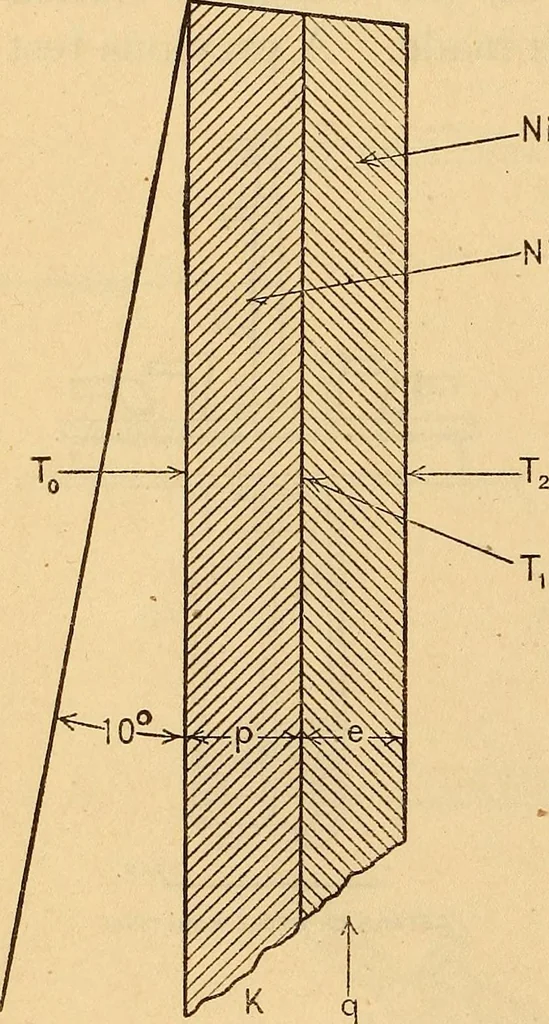
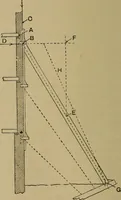
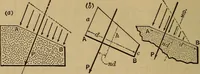
ow what effectthis thin homogeneous layer has onthe temperature gradient throughthe wedge. The maximum gradienteffect can be obtained as follows. Assume that the oxide is non-conducting electrically and that the entire heat loss takes placeon the outside of the wedge only. Fig. 4 represents a… … Fig. 4.—Magnified section of wedge 26 Fery, Compt. rend. 148, pp. 777-780; 1909. fZuss] Emissivity of Nickel Oxide 49 k = heat conductivity of Ni.q = heat conductivity of NiO.E = potential drop along 1 cm of strip./ = current density, i. e., current per cm2 of cross sec-tion.b = total breadth of…
Rays and radiation · Thermometry, pyrometry and calorimetry · Heat flow, thermal and thermodynamic processes
Internet Archive · NIST Research Library · Public Domain Mark 1.0. Free to use for anything.