The geography of the heavens, and class-book of astronomy: accompanied by a celestial atlas (1873)
Burritt, Elijah H. (Elijah Hinsdale), 1794-1838, Mattison, Hiram, 1811-1868, ed, Whitall, Henry, 1819-1887? Celestial planisphere · New York, Sheldon & company · leaf 247
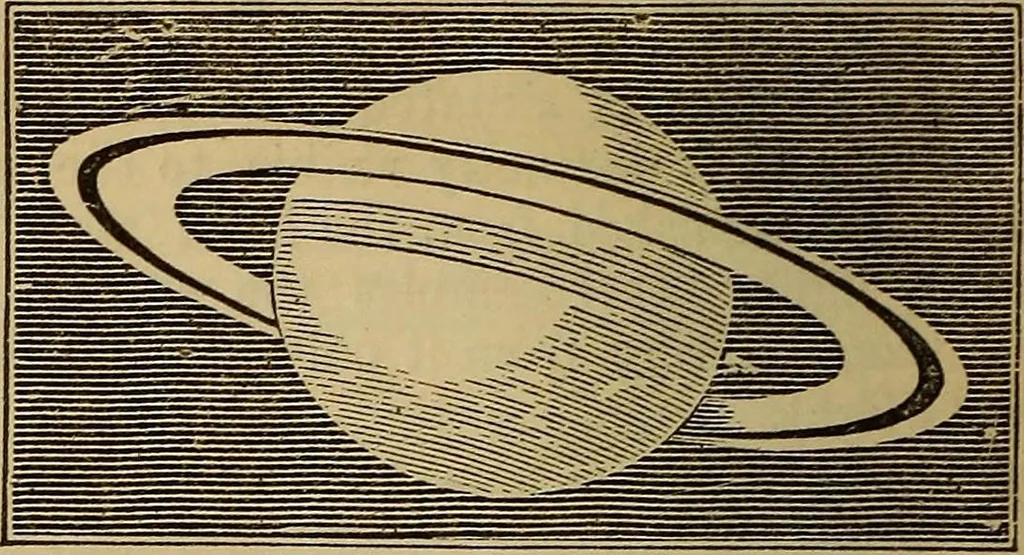
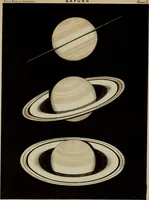
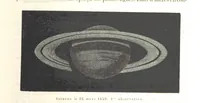
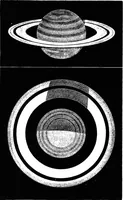
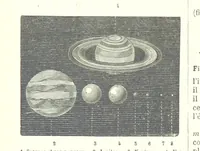
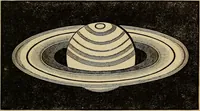
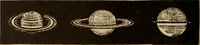
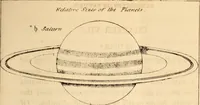
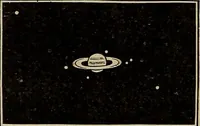
th«Earth; and they receive from liim only one ninetieth part as much light and heat. But 404. How does Jupiter appear from his nearest satellite ? 49ft. Siluation of Saturn *Dow distinguished? How trae-*? His rate of motion in the heavens? 496. DistanceromtfceSun? Diameter? Volume? Rate of motion… … It is computed that even the ninetieth part of the Suns light exceeds the Illuminatingpower of 8000 full moons, which would be abundantly sufficient for all the purposes of life. 498. The telescopic appearance of Saturn is unparalleled. Itis even more interesting than Jupiter, with all his moons…
Constellations · Stars
Internet Archive · Library of Congress · Public Domain Mark 1.0. Free to use for anything.