Grave-mounds and their contents; a manual of archaeology, as exemplified in the burials of the Celtic, the Romano-British, and the Anglo-Saxon periods (1870)
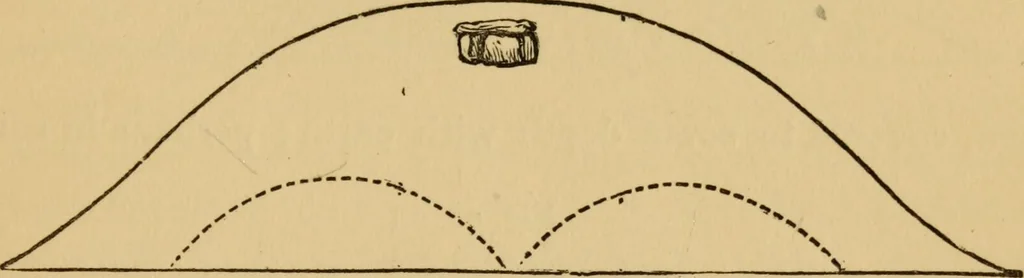
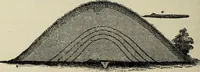
ta o43 o .2 43 Oh cu CD o H *co clT 44 43 a 43 o 43 3 CD 43 ■4-» 4-tO ^s ^ G o 43 G1- £ T3 43 44 43 CD CO 43 ^ CD 73 J-. O t-c 73 <G 43 d O a3 43 w o w .-) W u CO hH ci ro 4 >o vd b CONSTRUCTION OF GRAVE-MOUNDS. 9 small mounds, or barrows, formed in a group, on thenatural surface of the… … feet, and was composed of earth, intermixed with looserubbly limestones. Nearly at the top, in the centre, a stonecist, enclosing an interment, was discovered. It was inform a perfect, though miniature, example of what arecommonly called cromlechs. It is not an unfrequent occurrence in barrows to…
Mounds · Megalithic monuments
Internet Archive · Wellesley College Library · Public Domain Mark 1.0. Free to use for anything.