Grave-mounds and their contents; a manual of archaeology, as exemplified in the burials of the Celtic, the Romano-British, and the Anglo-Saxon periods (1870)
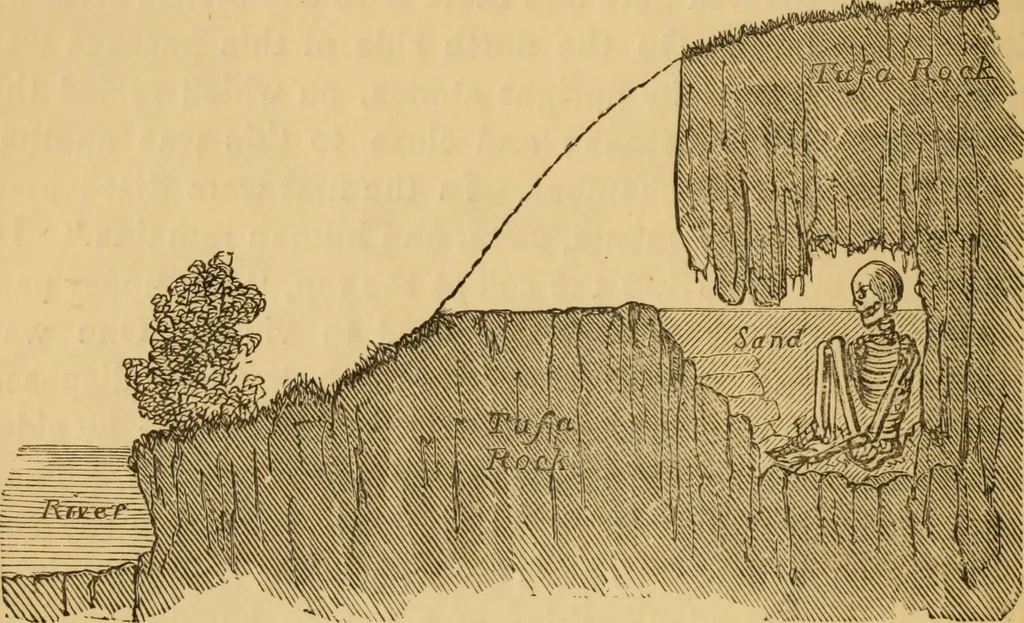
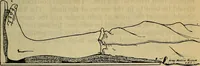
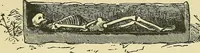
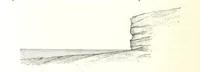
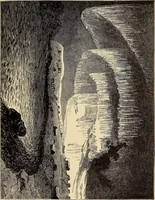
s shown on the accompanying en-graving, fig. 16, which exhibits a section of the rock,etc.; and shows the position of the skeleton, and the man-ner in which the cavity containing the body had been filledup with the river sand. The body in this case, as in thelast, had been placed in the cavity, in… … tufa rock, while, from the face of the rock, the cavity wasabout twelve feet. The body may therefore be said to havebeen entombed in the middle of the solid rock. The roofof the cavity when found was beautifully covered with sta-lactites. The skeleton was that of a young person, andnear it were…
Mounds · Megalithic monuments
Internet Archive · Wellesley College Library · Public Domain Mark 1.0. Free to use for anything.