Dyeing and calico printing : including an account of the most recent improvements in the manufacture and use of aniline colours : illustrated with wood engravings and numerous specimens of printed and dyed fabrics (1876)
Crace-Calvert, F. (Frederick), 1819-1873, Stenhouse, John, 1809-1880, Groves, Charles Edward, 1841-1920 · Manchester : Palmer & Howe ; New York : J. Wiley and Son · leaf 115
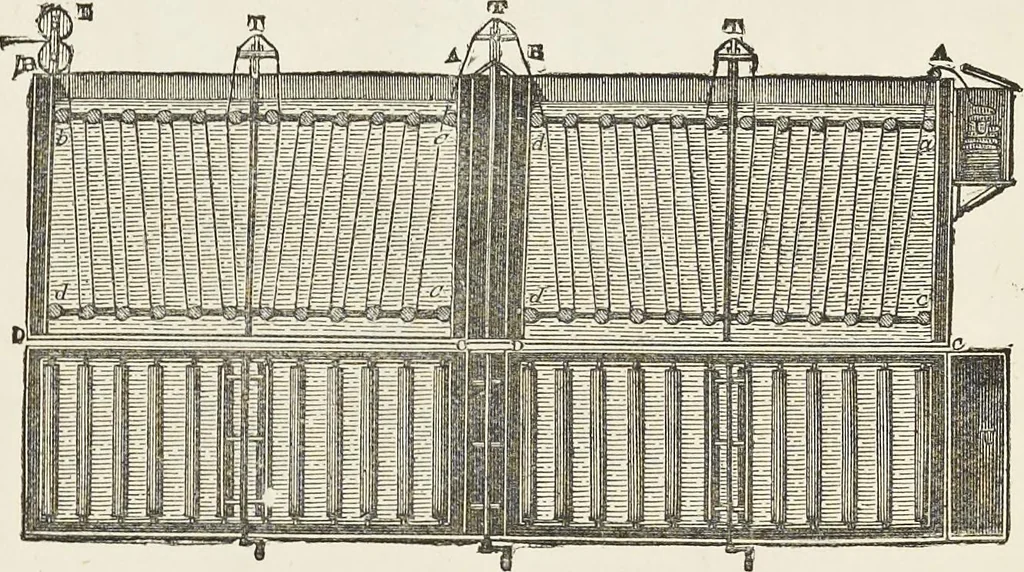
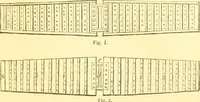
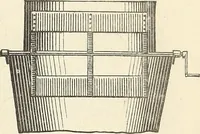
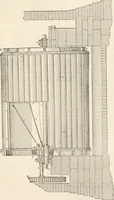
received this namebecause formerly a mixture of cow dung and water wasused in the process. Now, however, the calico is generallypassed through a weak bath of alkaline silicate or arseniateof soda, mixed with a little chlorate of potash, containedin a trough in which are fixed thirty or forty… … Fig. 2. The objects of this process are, first, to effect the com-plete decomposition of the aluminous and iron subsalts,which are formed by removing the acid which the dessica-tion has not expelled; secondly, to dissolve and take awayfrom the stuff the greater part of the substances whichhave been…
Crace-Calvert, F. (Frederick), 1819-1873 · Dyes and dyeing · Calico-printing · Textile printing · Coal-tar colors
Internet Archive · Getty Research Institute · Public Domain Mark 1.0. Free to use for anything.