Victoria and Albert Museum. Department of Textiles, Smith, A. D. Howell, Koop, Albert J. (Albert James), 1877-1945 · London : Printed under the authority of H. M. Stationery Off. · leaf 56
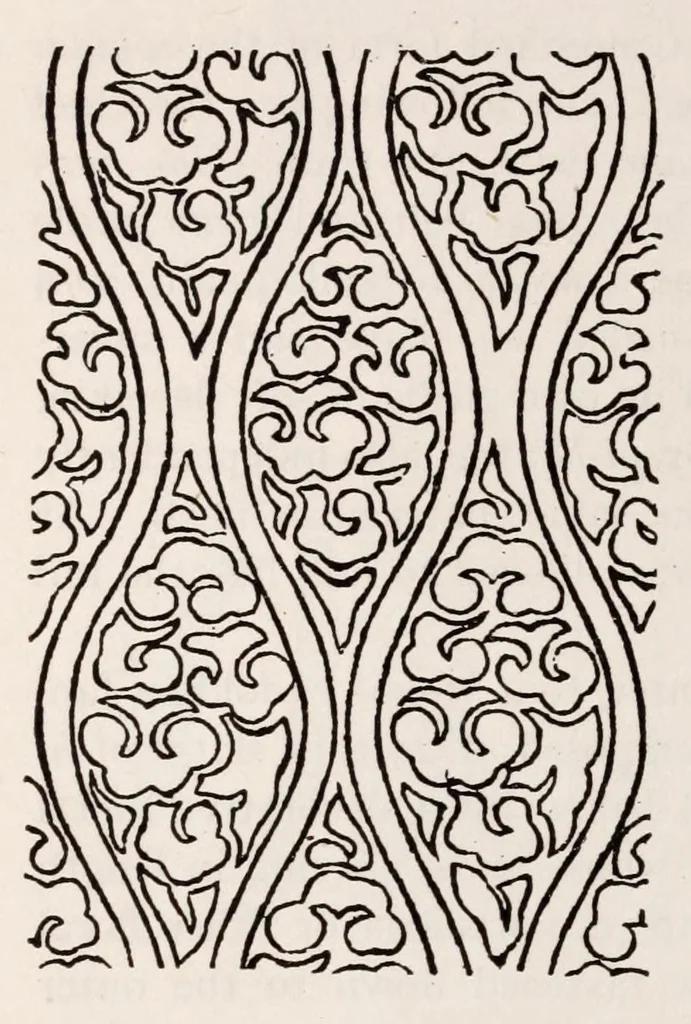
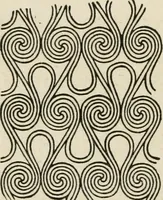
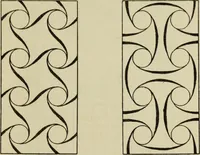
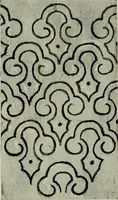
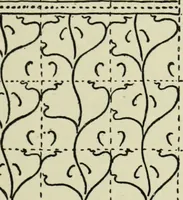
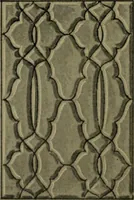
34 The sashinuki were of various kinds of silk or hemp cloth, the colour being usually a darker or lighter purple or blue, either plain or with patterns (damasked or woven in white) of yatsu-fuji (Fig. 12), kumo-tatewaku (Fig. 18), tori-dasuki (Fig. 19), and other diapers. The Emperor used the kwa… … Fig. 18. Kumo-tatewaku. Fig. 19. Tori-dasuki. The shitabakama were commonly of red silk, but black for boys, yellow for old men, and white for the very aged, are also indicated. The feet were covered with the shitagutsu or undivided socks of white silk (Fig. 13, No. 1). NAOSHI, KO-NAOSHI, HANJIRI.…
Textile fabrics
Internet Archive · Harold B. Lee Library · Public domain (published before 1931). Free to use for anything.