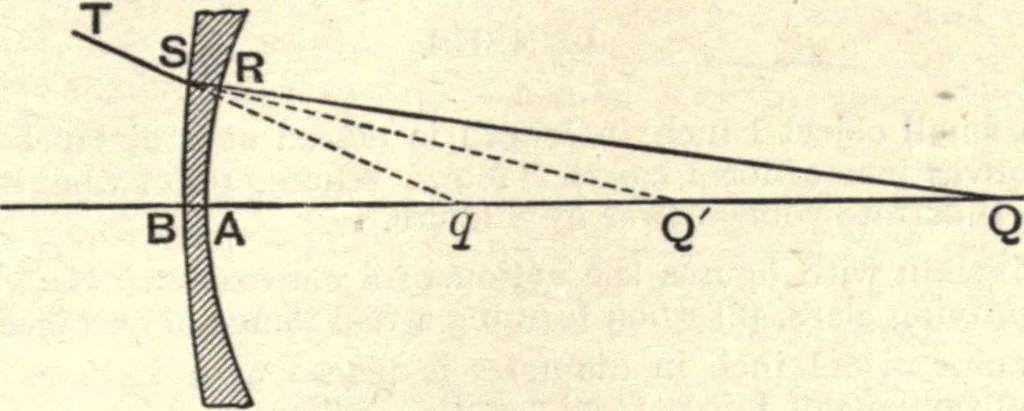
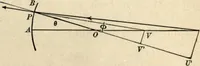
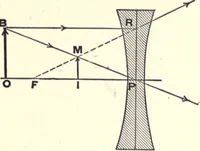
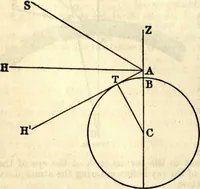
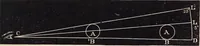
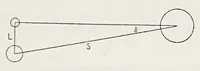
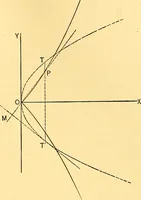
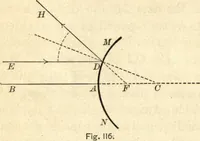
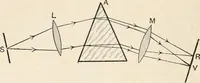
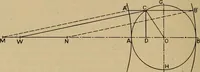
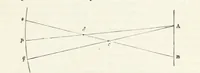
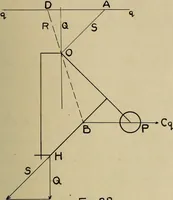
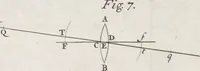
1/w zero, w is equal to / the focal length. Hence Refraction through, a lens. Let All, fig. 103, be the axis of the lens.Let r be the radius of the first, s that of the second surface, and supposethat both surfaces turn their concavities towards the light so that r ands are positive. If the lens is… … Fig. 103. q be the image of Q formed by refraction at the second surface. Let AQ=u, Aq=v.Then the formula just proved gives . AQ u .(1). For the second refraction from glass to air the refractive index is !//*,and since A and B are, if the thickness be neglected, coincident, we have 1 1 M 1 _ft…
Heat · Light
Internet Archive · California Digital Library · Public Domain Mark 1.0. Free to use for anything.