History of the planetary systems from Thales to Kepler (1906)
Dreyer, J. L. E. (John Louis Emil), 1852-1926 · Cambridge University Press · leaf 408
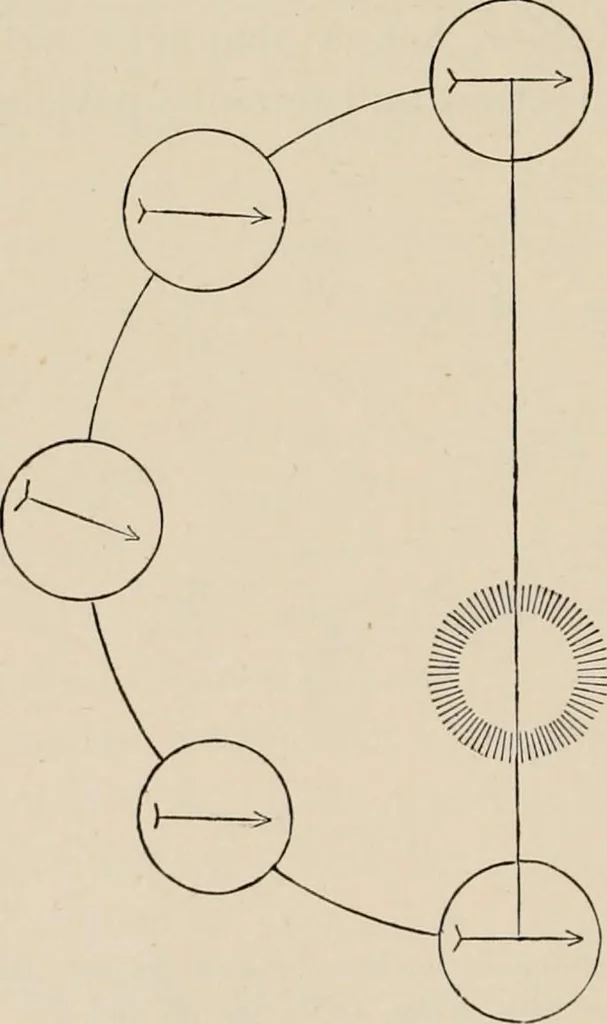
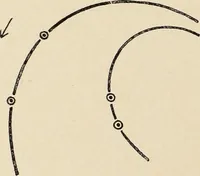
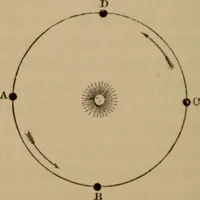
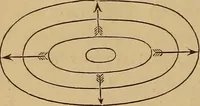
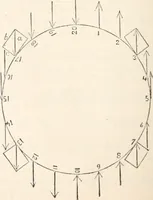
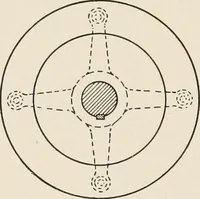
g a longerinterval but with a weakerforce, in the lower quadrantduring a shorter period butwith a stronger force, fitquecompensatio perfecta. If themagnetic axis after a wholerevolution has not quite comeback to its original position aslow motion of the line of apsides is the result, such as… … xv] Kepler 397 different in the various planetary orbits owing to the differentintensity of the magnetism in each planet, but the final causeis that the ratio of the greatest to the smallest velocity has tobe an harmonious one1. The planets would move in the plane of the solar equator,that is, the…
Astronomy -- History · Solar system
Internet Archive · Gerstein Library, University of Toronto · Public Domain Mark 1.0. Free to use for anything.