Human science, or, Phrenology : its principles, proofs, faculties, organs, temperaments, combinations, conditions, teachings, philosophies, etc., etc. : as applied to health, its values, laws, functions, organs, means, preservation, restoration, etc. : mental philosophy, human and self improvement, civilization, home, country, commerce, rights, duties, ethics, etc. : God, His existence, attributes, laws, worship, natural theology, etc. : immortality, its evidences, conditions, relations to time, rewards, punishments, sin, faith, prayer, etc. : intellect, memory, juvenile and self education, literature, mental discipline, the senses, sciences, arts, avocations, a perfect life, etc., etc., etc. (1873)
Fowler, O. S. (Orson Squire), 1809-1887, McManus-Young Collection (Library of Congress) DLC · Philadelphia, Pa. ; Chicago, Ill. ; Cincinnati, Ohio ; St. Louis, Mo. : National Publishing Co. ; San Francisco, Cal. : A.L. Bancroft & Co. · leaf 428
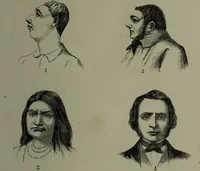
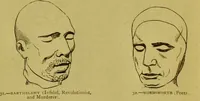
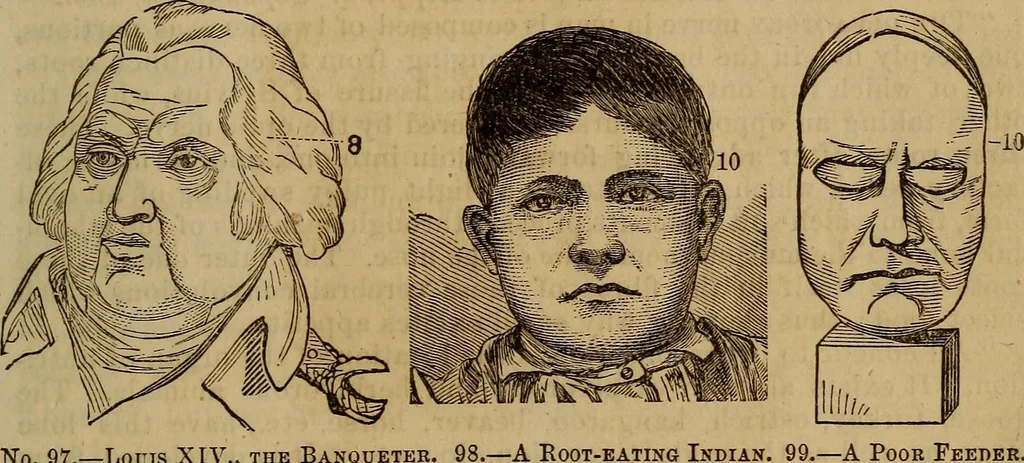
When the system needs aliment it forewarnsthe nerves, which telegraph to the stomach, and excite the manufac-ture of this gastric juice, which seeks that food by which alone thisfluid can be discharged. Undischarged gastric juice creates hunger,which, however, differs materially from relish of… … No. 97.—Louis XIV., the Banqueter. A Root-eating Indian. 99.—A Poor Feeder. from famine, imprisonment, etc. In such cases, fine-grained, good menlose all their higher refined sentiments, and become like famishedwolves; oblivious of the sufferings and rights of others. Eye-wit-nesses attest that…
Phrenology
Internet Archive · Library of Congress · Public Domain Mark 1.0. Free to use for anything.
![An illustration from Manual of phrenology : as an accompaniment to the phrenological bust / [James De Ville]. (1835)](https://img.insideoutlibrary.com/img/200/wellcome-wellcome_b28748979-28-1.webp)