Human science or phrenology. Its principles, proofs, faculties, organs, temperaments, combinations, conditions, teachings, philosophies, etc., etc. as applied to health. Its value, laws, functions, organs, means, preservation, restoration, etc. Mental philosophy, human and self improvement, civilization, home country, commerce rights, duties, ethics, etc. God, His existence, attributes, laws, worship, natural theology, etc. Immortality, its evidences, conditions, relations to time, rewards, punishments, sin, faith, prayer, etc. Intellect, memory, juvenile and self education, literature, mental discipline, the senses, sciences, arts, avocations, a perfect life, etc., etc (1880)
Fowler, O. S. (Orson Squire), 1809-1887 · [S.l. : s.n.] · leaf 789
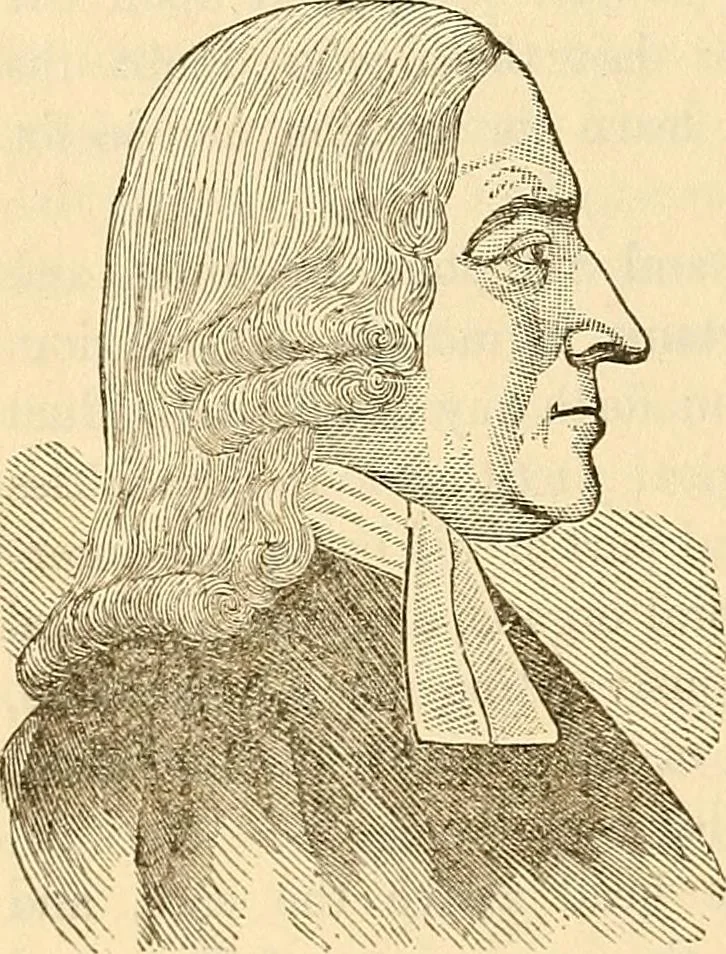
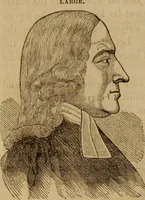
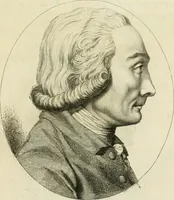
s to eat it,and is adapted to this fundamentalarrangement by being created witha feeding Faculty, which unfolds andgoverns whatever appertains to ali-mentation. Some eating conditions, those which conform to this entity,are beneficial, others injurious, but all that can be said and done, allthere… … No. 146.—Rev. John Wesley. THE FUNDAMENTAL PRINCIPLES OF RELIGION. 769 ciiu faculty and organ of Observation, the constitutional action ofwhloh brings to his notice whatever it is necessary that he see; andeverything connected with things, or depending thereon, has its foun-dation and counterpart…
Phrenology
Internet Archive · Medical Heritage Library · Public Domain Mark 1.0. Free to use for anything.