Ilios; the city and country of the Trojans. The results of researches and discoveries on the site of Troy and throughout the Troad in the years 1871-72-73-78-79, including an autobiography of the author (1880)
Schliemann, Heinrich, 1822-1890, Virchow, Rudolf, 1821-1902, Müller, F. Max (Friedrich Max), 1823-1900, Sayce, A. H. (Archibald Henry), 1845-1933, Mahaffy, J. P. (John Pentland), 1839-1919, Brugsch, Heinrich, 1827-1894, Ascherson, Paul, 1834-1913, Postolakas, Achilles, Burnouf, Emile, 1821-1907, Calvert, Frank, Dufield, Alexander James, 1821-90 · New York: Harper & Bros · leaf 328
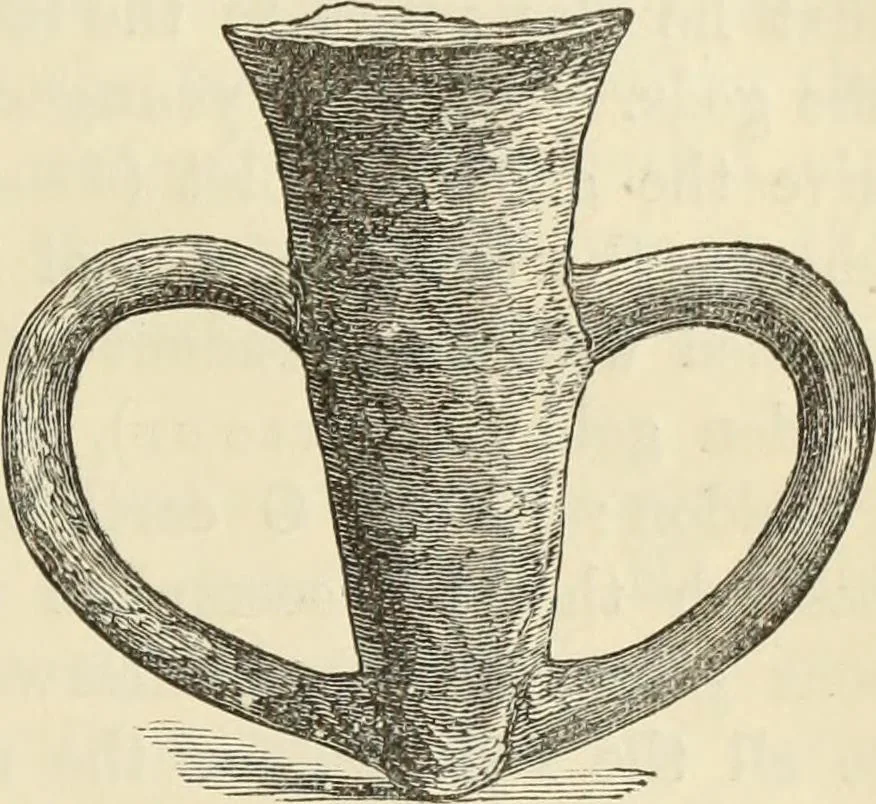
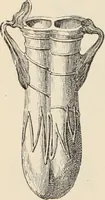
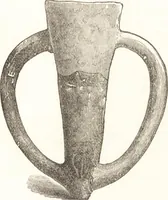
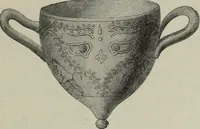
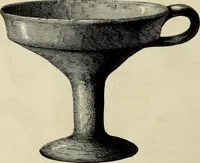
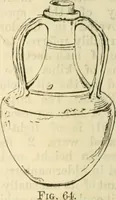
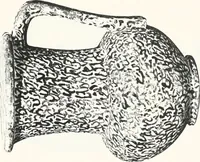
er outward. The best judge, nay the highest authority, for the form of the HomericSeVa? ajjb^LKvireXKov must necessarily be Homer himself; and, according tohim, the SeVa? ajjufyucvireWov is always synonymous with aXeicrov aji§u>Tov, 9 The inscription is discussed by Professor rov fj.4\iros teal… … 300 THE SECOND CITY ON THE SITE OF TROY. [Chap. YI. a two-eared goblet (literally, with, an ear on both sides, for this isthe exact meaning of d/jbcpl). Thus, for instance, in a passage of theOdyssey, one and the same goblet is called twice SeVa?, once aketaov, andonce SeVa? dfufnrcvTreXXov:11 Then…
Archaeology
Internet Archive · Getty Research Institute · Public Domain Mark 1.0. Free to use for anything.