An illustrated dictionary of words used in art and archaeology. Explaining terms frequently used in works on architecture, arms, bronzes, Christian art, colour, costume, decoration, devices, emblems, heraldry, lace, personal ornaments, pottery, painting, sculpture, &c., with their derivations (1883)
Mollett, John W. (John William) · London, S. Low, Marston, Searle and Rivington · leaf 19
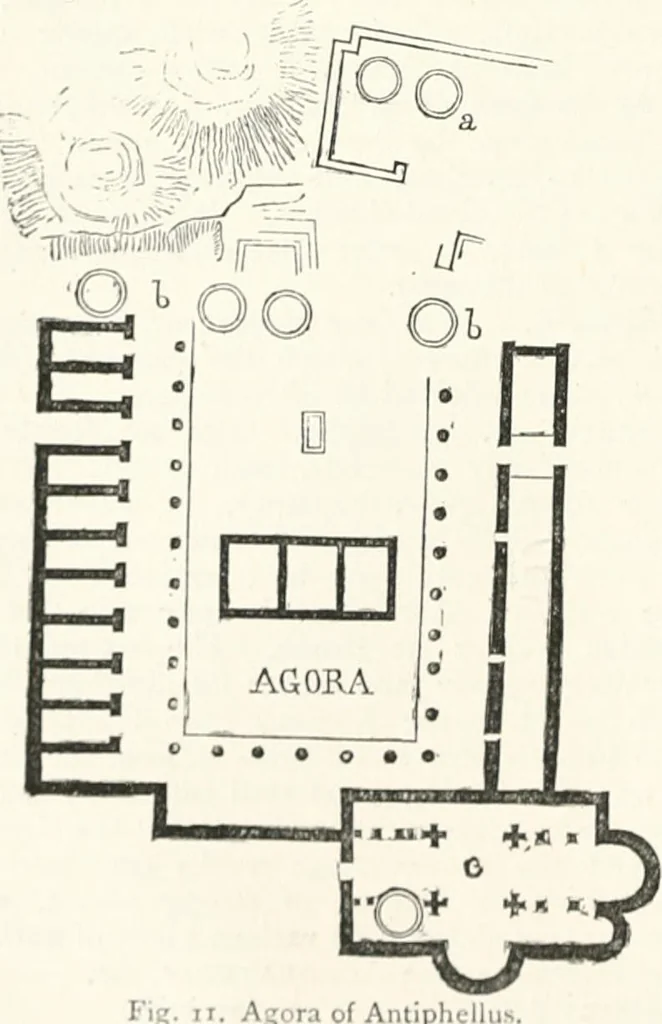
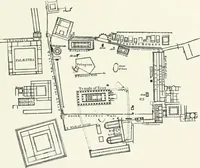
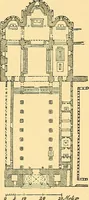
riiale orday of the Liberalia. Another explanation ofthe etymology of the name is that the sacrificewas offered on the Quirinal hill, which was origi-nally called Ago/IMS. (Consult Ovid. Fasti, i.319—332, he suggests several explanations.) Agonistic, {aycovLo-TiKT], from aywi, a contest).Witli the… … Fig. II. Agora of Antiph to the Romans. There were numerous agorre inGreece and Asia Minor. Fig. 11, representsthe plan of the ^^wrrt-of Antiphcllus ; in whicha and h indicate the sites of the corn-pits ; c, thatof a basilica. Agora is also used to denote thegeneral assembly of freemen in…
Art -- Dictionaries · Archaeology -- Dictionaries
Internet Archive · Getty Research Institute · Public Domain Mark 1.0. Free to use for anything.