An illustrated dictionary of words used in art and archaeology. Explaining terms frequently used in works on architecture, arms, bronzes, Christian art, colour, costume, decoration, devices, emblems, heraldry, lace, personal ornaments, pottery, painting, sculpture, &c., with their derivations (1883)
Mollett, John W. (John William) · London, S. Low, Marston, Searle and Rivington · leaf 45
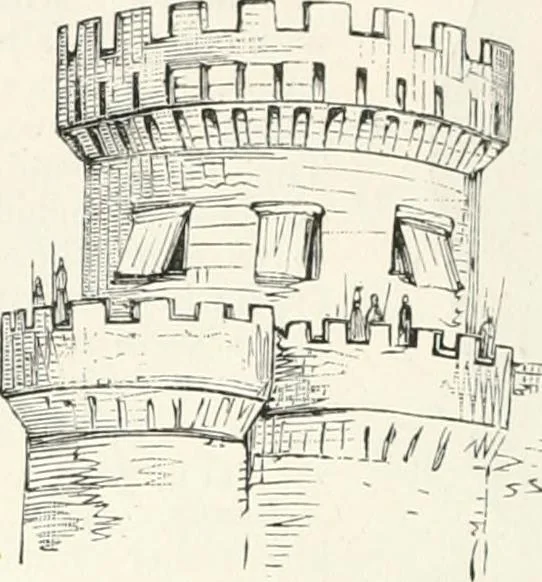
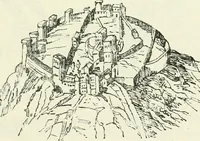
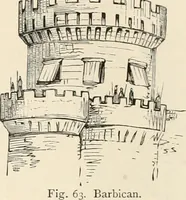
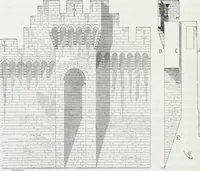
swas revived, and the emperors until Constantinewore them. The Romans let the beard grow asa sign of mourning ; the Greeks shaved. Thebeard is an attribute of the prophets, apostles,and evangelists (excepting St. John) ; and, inancient art, of Jupiter, Serapis, Neptune, &c.Neptune has a… … Fig. 63. Barbican. clean, but when settled in England let all theirbeard grow. Close shaving prevailed amongthe young men in England in the 14th century ;older men wore a forked beard. After sundrychanges, clean shaving obtained in the reign ofHenry YL, and the beard was rarely cultivatedfrom then…
Art -- Dictionaries · Archaeology -- Dictionaries
Internet Archive · Getty Research Institute · Public Domain Mark 1.0. Free to use for anything.