Friend, J. Newton (John Newton), 1881-1966 · London, New York : Longmans, Greens · leaf 77
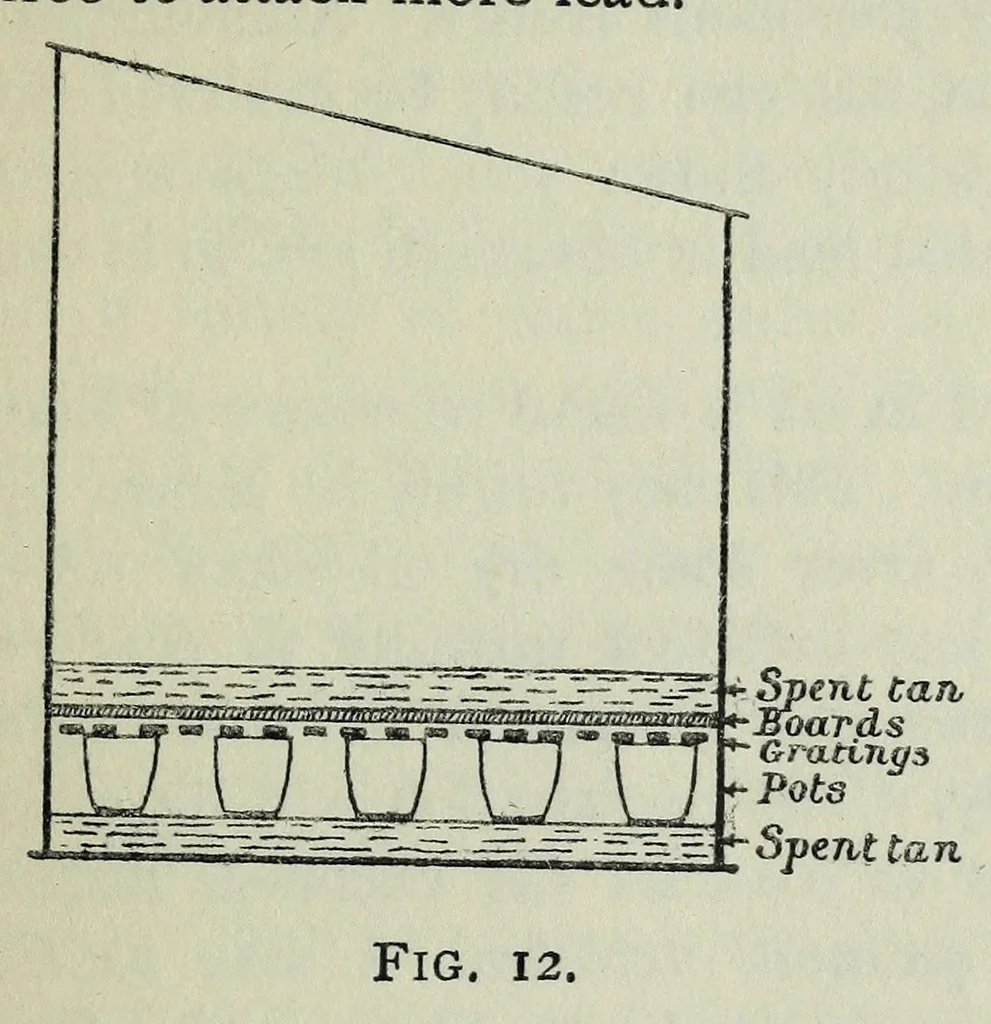
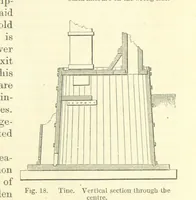
THE CARBONATE PIGMENTS 59 a considerable quantity of heat and carbon di-oxide. The acetic acid is thus largely vaporized and attacks the lead coils and gratings with the formation of lead acetate. Lead + acetic acid = lead acetate This is attacked by the carbon di-oxide and water vapour, yielding… … After about three months the stack is pulled to pieces, and the lead carbonate scraped off and crushed. This serves to flatten out any unattacked lead, which is sent back to the melt¬ ing-pot. The carbonate is well washed to remove any traces of lead acetate, and after grinding and drying is ready…
Paint · Chemistry, Technical
Internet Archive · Harold B. Lee Library · Public domain (published before 1931). Free to use for anything.