Medical symbolism in connection with historical studies in the arts of healing and hygiene (1891)
Sozinskey, Thomas S., 1852?-1889 · Philadelphia, London, F.A. Davis · leaf 147
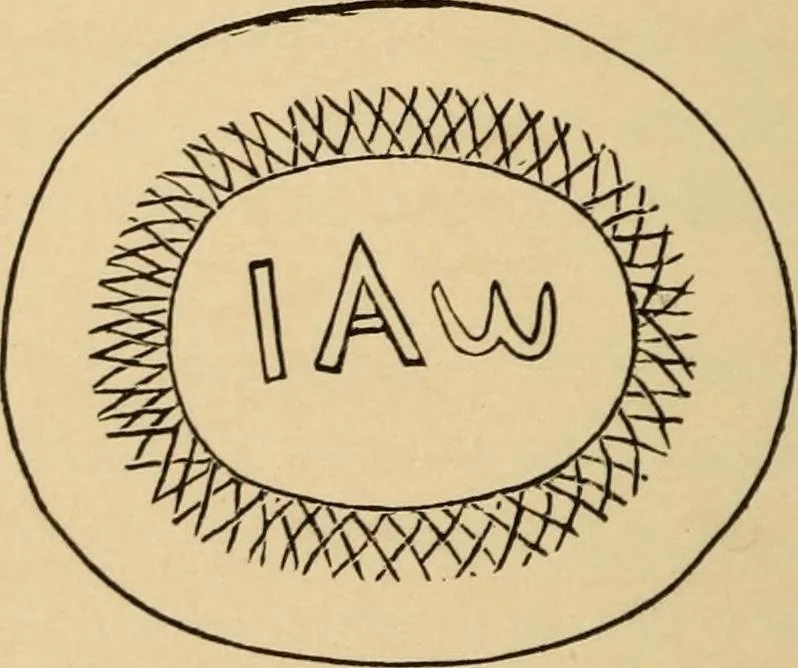
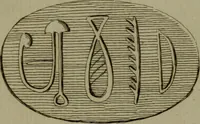
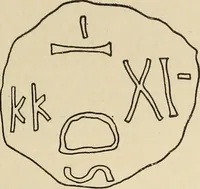
ve of malign fascination, or the influence of the evileye. The Roman god, Fascinus,^ had it as his chiefsymbol. It is well known that this charm was sometimesplaced on houses^ in Pompeii, with the inscription, hiehabitat felicitas. Aubrey says : In the digging of theruins and foundations of London,… … Fig. 19.—The Divine Name. (As seen on a talismanic gem, copiedfrom De Wildes book.) J AH,* tlie name of the Deity, the demiurge, the Sabaothof the Phoenicians and others, I may say that it wasregarded as possessing in itself irresistible talismanicpower. Fort remarks that as a talisman of…
Symbolism in medicine
Internet Archive · Medical Heritage Library · Public Domain Mark 1.0. Free to use for anything.