A natural philosophy : embracing the most recent discoveries in the various branches of physics, and exhibiting the application of scientific principles in everyday life .. (1899)
Quackenbos, G. P. (George Payn), 1826-1881 · New York, Cincinnati [etc.], American book company · leaf 382
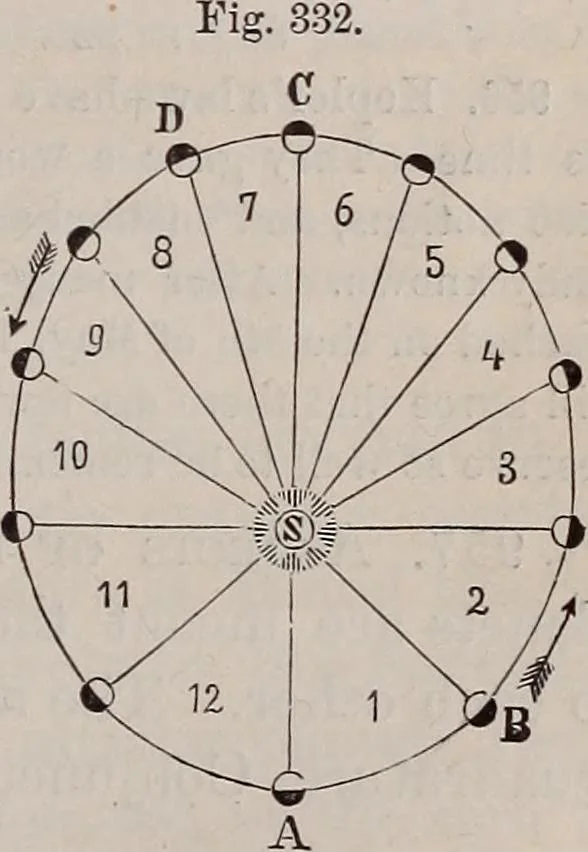
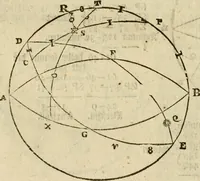
st;those of Neptune and Venus are nearly circular. 954. Keplers Second Laio.—TheRadius Vector of a planet passes overequal areas in equal times. The Radius Vector is a line con-necting the centre of a planet, as ittraverses its orbit, with the centreof the sun. Thus, in Fig. 332, the lines S A, SB,… … by Herschel to give an idea of the relative size of the planets. 952. When were thelaws that regulate the planetary motions first known ? By whom were they discov-ered ? To what do Keplers Laws apply ? 953. Repeat Keplers First Law. How isthe elliptical form of the orbits accounted for ? What is…
Physics
Internet Archive · Library of Congress · Public Domain Mark 1.0. Free to use for anything.