Wells, Samuel R. (Samuel Roberts), 1820-1875 · New York, Fowler and Wells · leaf 371
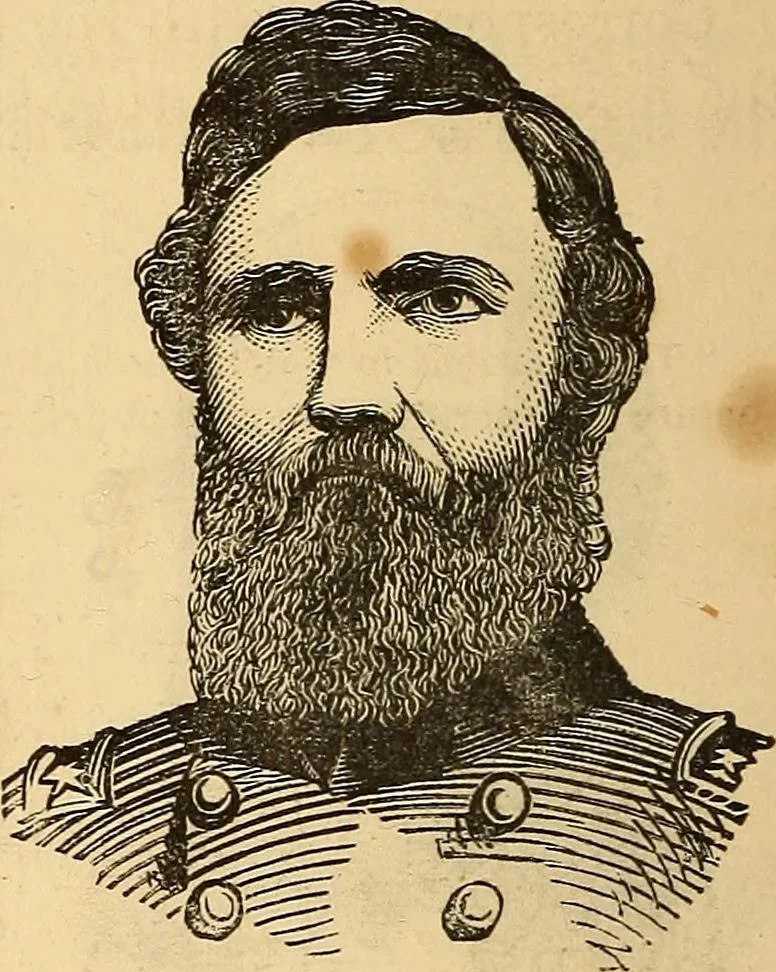
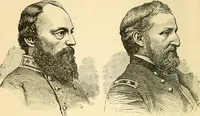
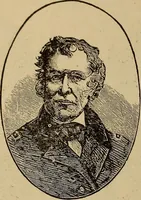
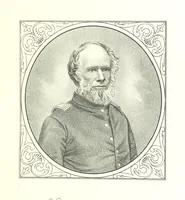
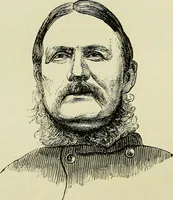
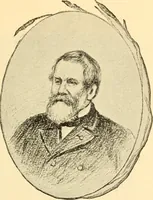
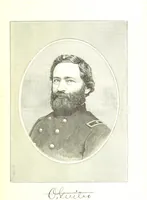
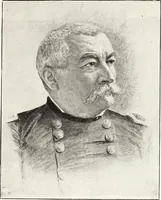
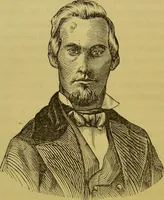
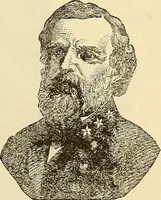
ical extent, which is the sign of will-power, or the ability to control notonly other men and external cir-cumstances, but ones self. Markthis feature particularly in Csesar,Cromwell, Wellington, Napoleon,Butler, Hooker, and Hancock. Innearly every case the cerebellumwill be found equally… … THE SIGN OP COMMAND. One other sign may be noticed here, though it does not be-long exclusively or even necessarily to military men or fighters. In great commanders, and in other men born to rule or habit-uated to the exercise of authority, there will be noticed a cer-tain drawing down of the brows…
Physiognomy · Phrenology
Internet Archive · Library of Congress · Public Domain Mark 1.0. Free to use for anything.