New Physiognomy : or signs of character, as manifested through temperament and external forms, and especially in the "the human face divine." (1889)
Wells, Samuel R. (Samuel Roberts), 1820-1875 · New York : Fowler & Wells · leaf 284
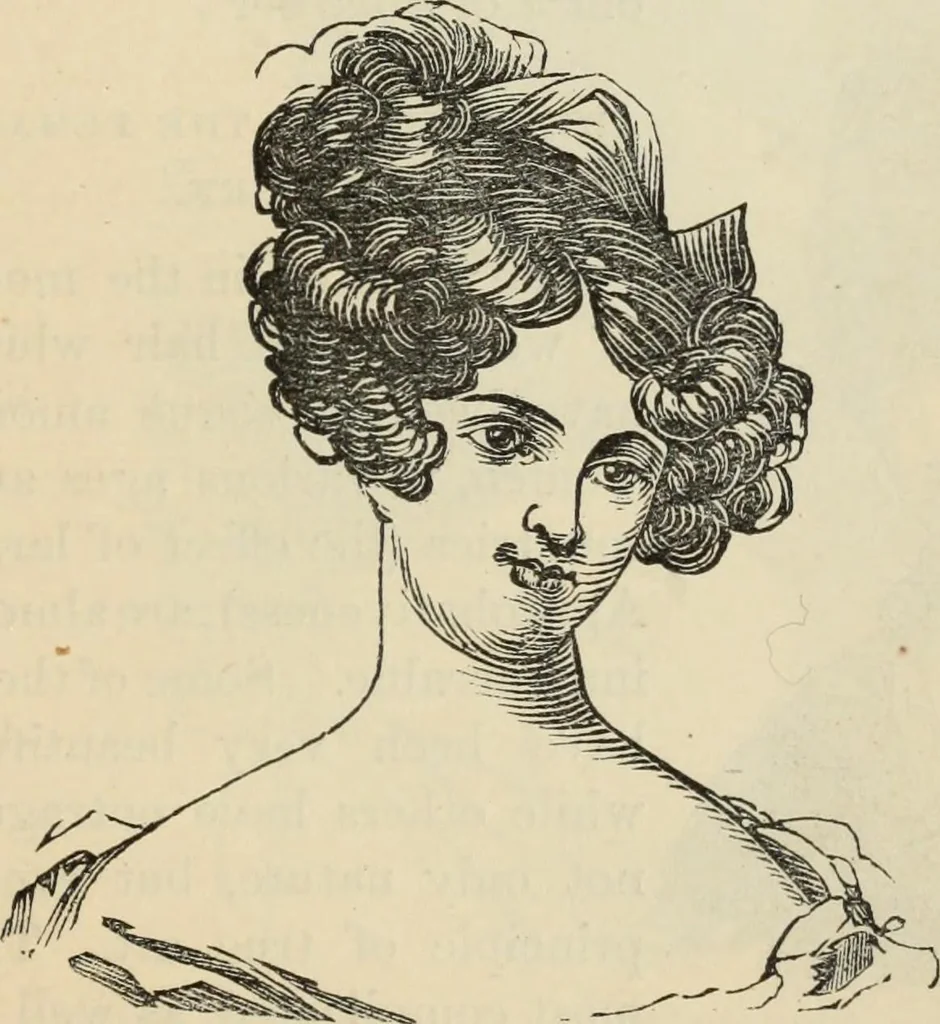
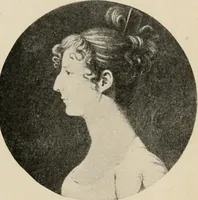
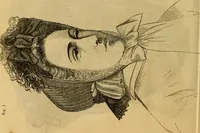
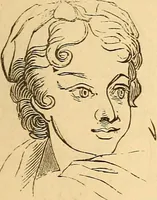
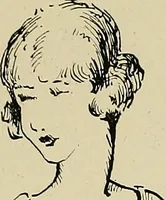
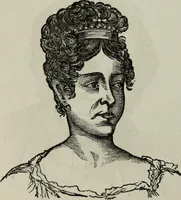
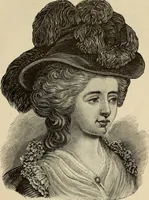
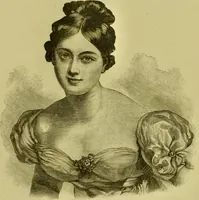
with the most daz-zling finer y. Themimic skill of thefriseur was frequent-ly called into requisi-tion to representfanciful devices, suchas diadems, harps,wreaths, emblems ofFig. 381.-MR8. GoKK p^^li^ temples and conquered cities, or to plait it into an incredible number oftresses, which were often… … 2-78 THE HAIR AND BEARD man have lonsf liair, it is a shame unto him? But lono; hairwas worn at a later day, even by the priests ; and PopeAnicetus is said to have been the first who forbade it. St.Wulstan declaimed with great vehemence against luxury ofall kinds, and especially against long hair,…
Physiognomy · Phrenology
Internet Archive · Public Domain Mark 1.0. Free to use for anything.