Radio for everybody; being a popular guide to practical radio-phone reception and transmission and to the dot-and-dash reception and transmission of the radio telegraph, for the layman who wants to apply radio for his pleasure and profit without going into the special theories and the intricacies of the art (1922)
Lescarboura, Austin C. (Austin Celestin), 1891- · New York, Scientific American publishing company [etc.] · leaf 232
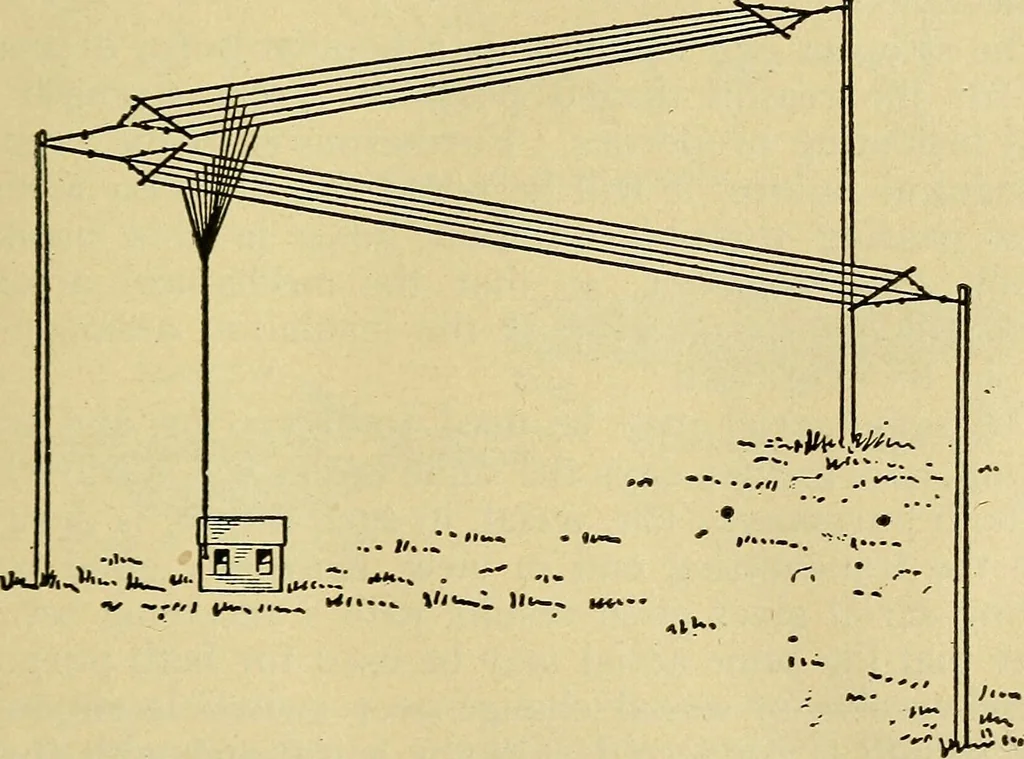
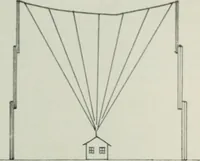
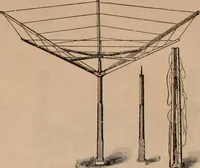
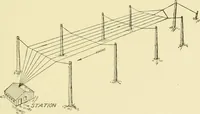
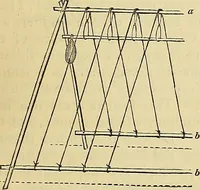
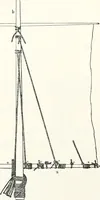
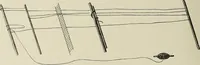
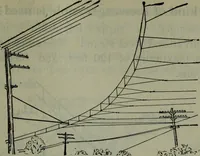
no room for the usualtypes of aerials. The umbrella aerial makes use of asingle tall mast, with wires radiating downwards in alldirections. The lower ends of the wires should be at least20 feet away from the base of the mast. The construction of the transmitting aerial is consider-ably more… … The V-type aerial—a rare type which should only be em-ployed when a suflScient span cannot be obtained, thus mak-ing a double aerial of this kind desirable. concerning the construction of a good, substantial multi-wire aerial for transmitting purposes. Note that the endsof each wire are insulated…
Radio
Internet Archive · Boston College Libraries · Public Domain Mark 1.0. Free to use for anything.