Radio for everybody; being a popular guide to practical radio-phone reception and transmission and to the dot-and-dash reception and transmission of the radio telegraph, for the layman who wants to apply radio for his pleasure and profit without going into the special theories and the intricacies of the art (1922)
Lescarboura, Austin C. (Austin Celestin), 1891- · New York, Scientific American publishing company [etc.] · leaf 300
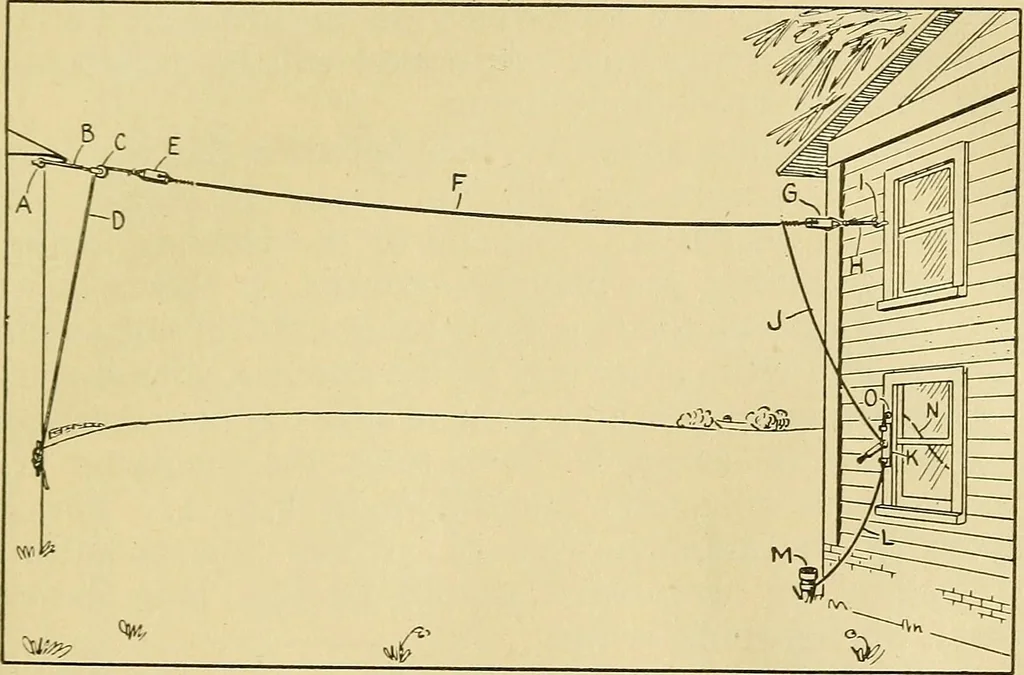
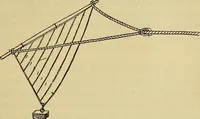
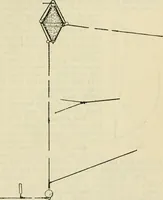
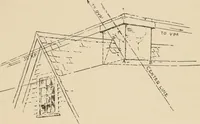
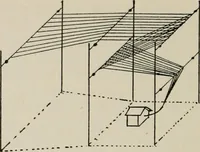
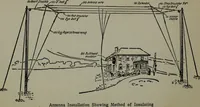
RYBODY 281 greater than about 85 feet, the antenna can still be heldto a 75 foot distance between the insulators by increasingthe length of the piece of rope (D) to which the far endof the antenna is attached. The rope (H) tieing theantenna insulator to the house should not be lengthenedto overcome… … Fig. 1.—Construction of antenna for reception purposes. A—screw eye; B—rope; C—pulley; D—rope; E—insulator; F—antenna; G—Insulator; H—rope; I—screw eye; J—lead-in wire;K—lightning: switch; L—ground wire; M—ground pipe; N—lead to receiving set; O^—insulating tube. A and I are screw eyes sufficiently…
Radio
Internet Archive · Boston College Libraries · Public Domain Mark 1.0. Free to use for anything.