The rudiments of practical bricklaying : in six sections : general principles of bricklaying, arch drawing, cutting, and setting, different kinds of pointing, paving, tiling, materials, slating, and plastering, practical geometry, mensuration, etc. (1882)
Hammond, Adam · London : C. Lockwood · leaf 104
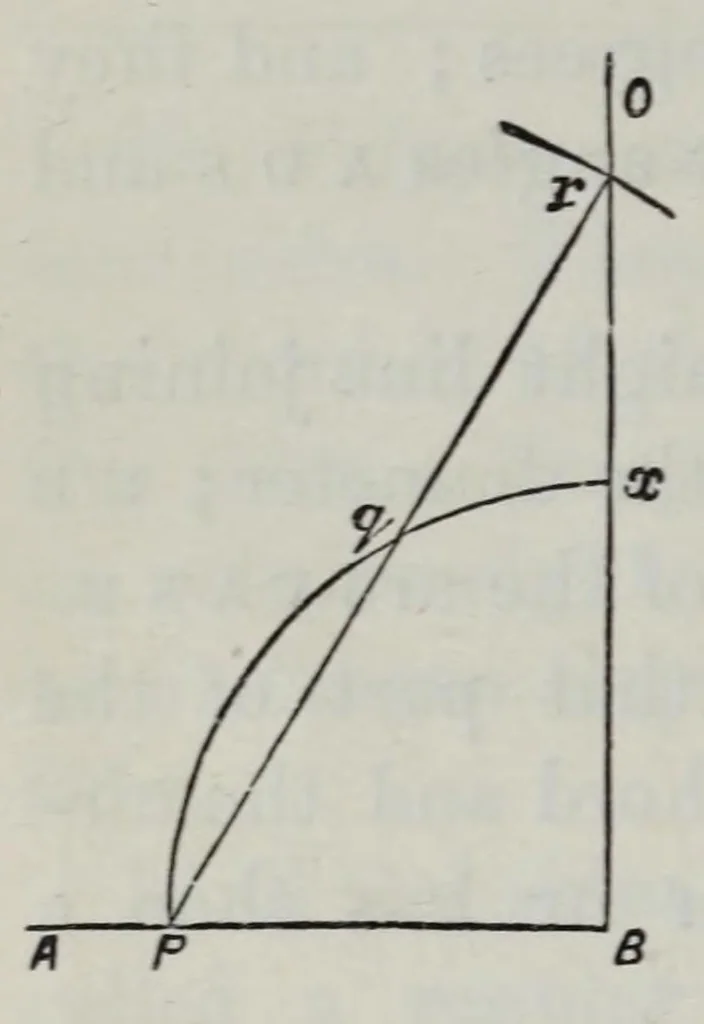
88 BRICKLAYING. than p Xy describe two arcs, cutting each other at D ; then the line joining d p will be perpen- dicular to A B. When the poin t, P, is at the end of the line. 2. From any centre, c, out of the line, and with the distance, c b, as radius, de- scribe a circle, cutting a b in D, draw… … PROBLE:Nr II. Upon a given right line to describe an equilateral triangle. Let A B be the given right line. From the centres A and b, with the given line a b as radius, describe two arcs cutting each other at c ; then the line drawn from the point c to the points
Bricklaying · Plastering · Masonry
Internet Archive · Getty Research Institute · Public domain (published before 1931). Free to use for anything.