Ruskin, John, 1819-1900 · New York, J. Wiley · leaf 137
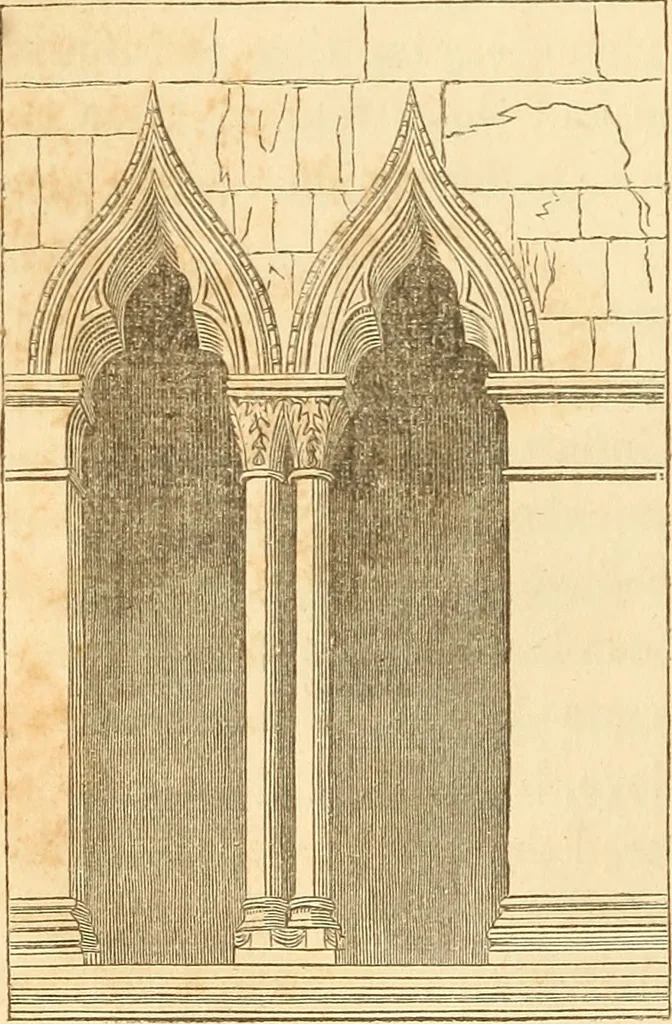
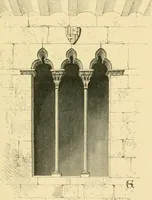
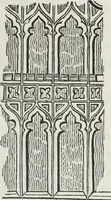
lways,or rather are seldom likely to be so, for the harder work of thecapital. Both may have to be deepened and expanded : but asthis would cause a want of harmony in the parts, when theyoccur on the same level, it is better in such case to let the entirecornice form the abacus of the capital, and… … of a very frequent Yenetian form.Here the deep cornice or stringcourse which runs along the wallof the house is quite strongenough for the work of the capi-tals of the slender shafts: itsown upper stone is thereforealso theirs; its own lower stone,by its revolution or concentration,forms their…
Architecture
Internet Archive · Smithsonian Libraries · Public Domain Mark 1.0. Free to use for anything.