Textile raw materials and their conversion into yarns : (the study of the raw materials and the technology of the spinning process) a text-book for textile, trade and higher technical schools, as also for self-instruction ; based upon the ordinary syllabus and curriculum of the Imperial and Royal Austrian weaving schools (1901)
Zipser, Julius, Salter, Charles · London : Scott, Greenwood · leaf 25
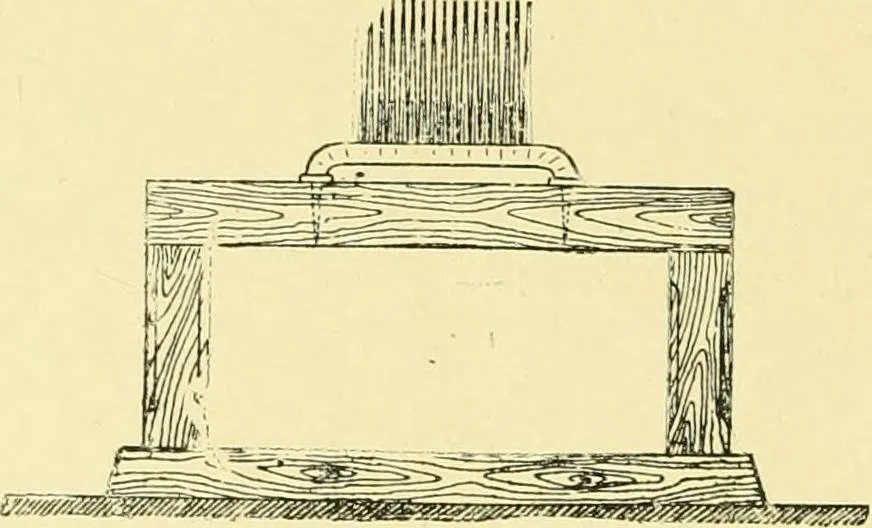
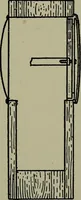
ot. Linuui) belongs to the family Linacccc. Out ofa number of varieties the most extensively distributed andimportant is common flax {Linum tmtatisstuinni). This belongsto the temperate zone, and two species are cultivated : lin orschlicss flax and spring flax or humile, the former with longstems,… … Fig. 3.—Ripplini; Comb (front view). delicate structure, about 40 inches high, with a long thinroot-stock. A slender stem, which only branches slightlytowards the apex, bears naked, lanceolate alternate leaves,and puts forth sk}- or azure-blue flowers—seldom white ones—forming a short terminal…
Textile fibers · Spinning
Internet Archive · UMass Dartmouth, Claire T. Carney Library · Public Domain Mark 1.0. Free to use for anything.