Textile raw materials and their conversion into yarns : (the study of the raw materials and the technology of the spinning process) a text-book for textile, trade and higher technical schools, as also for self-instruction ; based upon the ordinary syllabus and curriculum of the Imperial and Royal Austrian weaving schools (1901)
Zipser, Julius, Salter, Charles · London : Scott, Greenwood · leaf 378
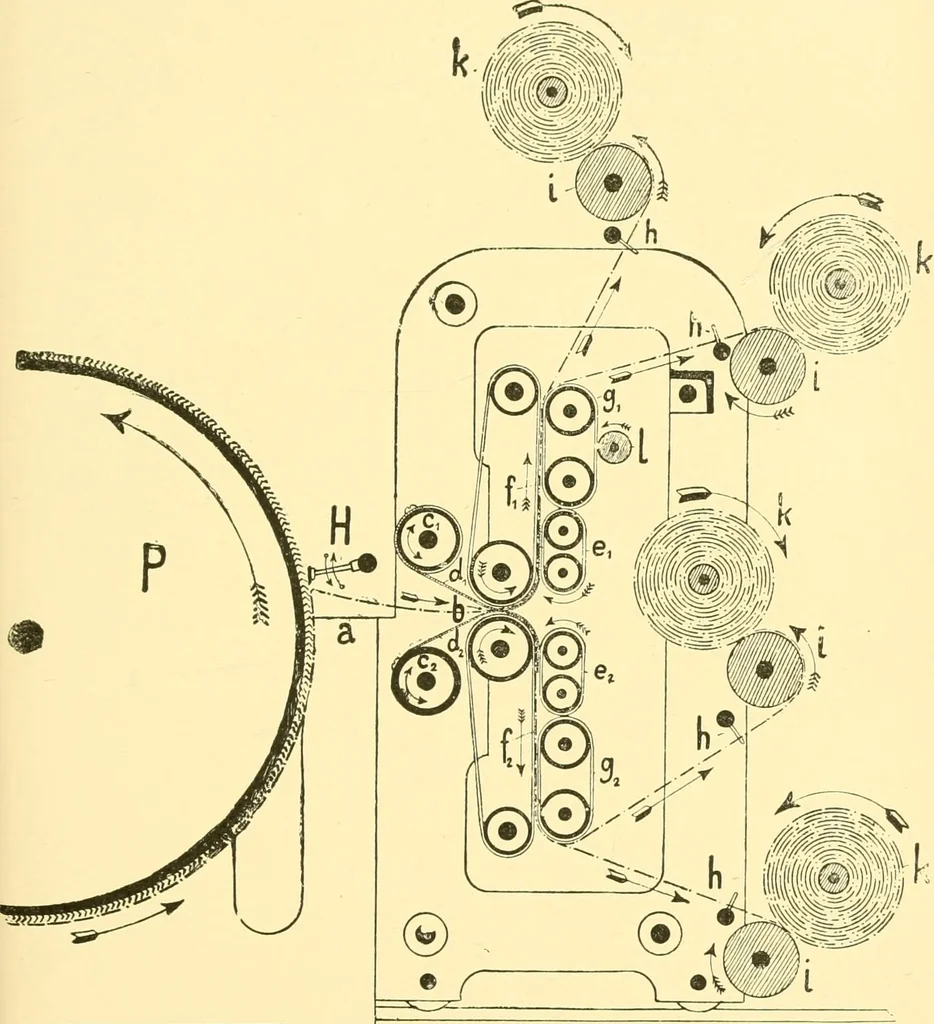
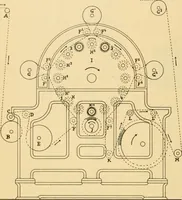
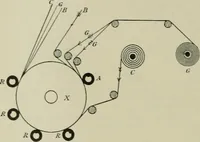
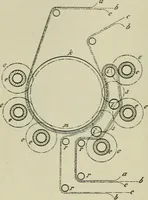
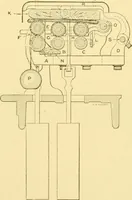
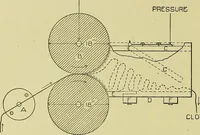
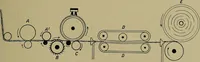
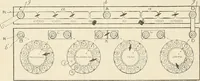
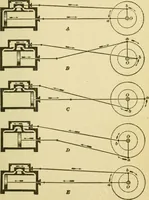
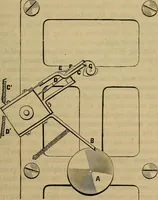
is to keep the steelbands continualK changing their position, thus presentingfresh clean surfaces at the point of intersection, and preventingthe accumulation of wool fibres or other dirt there. Thisslight motion of the bands has no influence on the division ofthe fleece. C—FINE SPINNING. Spinning… … ^^m^jmmm^^^^^^^^j^. Fig. 237.—The Bolette Sleel Band Condenser (vertical section). 372 TEXTILE RAW MATERIALS. and attenuate the sliver, and at the same time impart thenecessary twist. The degree of twist depends on :— (a) The fineness of the sliver. (b) The count of yarn to be produced. (c) The…
Textile fibers · Spinning
Internet Archive · UMass Dartmouth, Claire T. Carney Library · Public Domain Mark 1.0. Free to use for anything.