The wonders of the heavens, being a popular view of astronomy, including a full illustration of the mechanism of the heavens; embracing the sun, moon, and stars, with descriptions of the planets, comets, fixed stars, double stars, the constellations, the galaxy, or milky-way, the zodiacal light, aurora borealis, or norhtern lights, meteors, clouds, falling stars, aërolites, &c (1837)
Bradford, Duncan. [from old catalog] · Boston, American stationers company · leaf 225
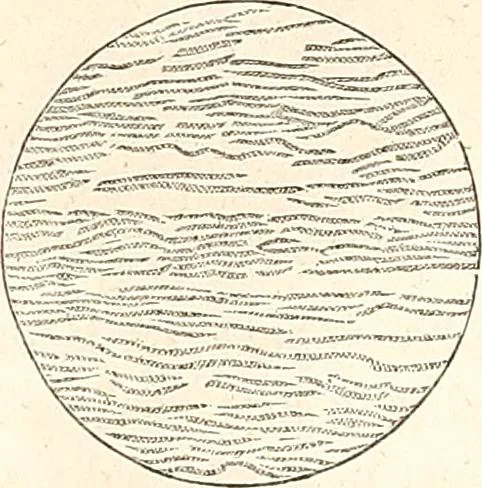
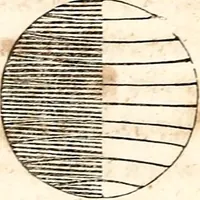
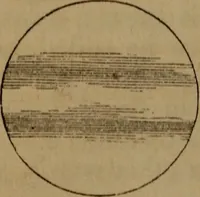
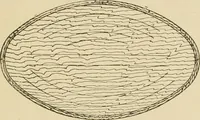
k spots likestrings of clouds, are not uncommon, and fromthese attentively watched it has been concludedthat this planet revolves on an axis perpendicularto the direction of the belts. It is very remark-able, and forms a satisfactory comment on thereasoning by which the spheroidal figure of…
Astronomy
Internet Archive · Library of Congress · Public Domain Mark 1.0. Free to use for anything.