The wonders of the heavens, being a popular view of astronomy, including a full illustration of the mechanism of the heavens; embracing the sun, moon, and stars, with descriptions of the planets, comets, fixed stars, double stars, the constellations, the galaxy, or milky-way, the zodiacal light, aurora borealis, or norhtern lights, meteors, clouds, falling stars, aërolites, &c (1837)
Bradford, Duncan. [from old catalog] · Boston, American stationers company · leaf 312
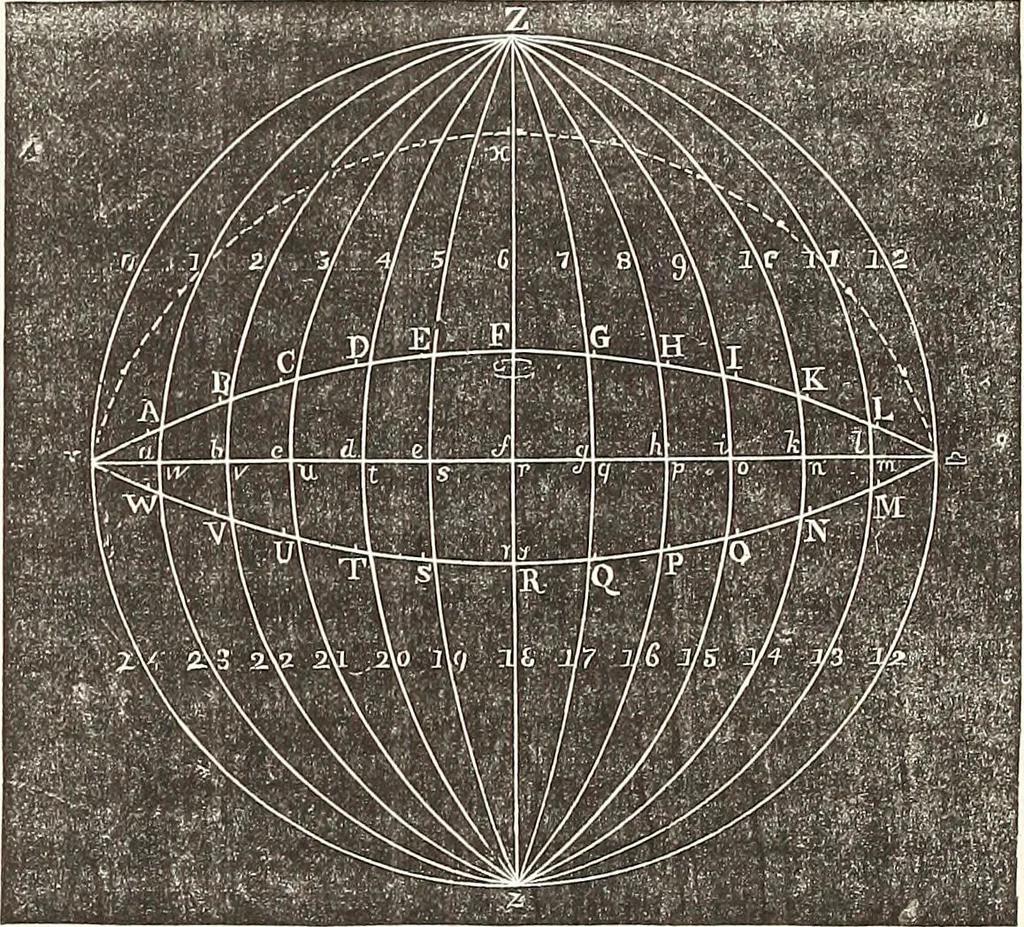
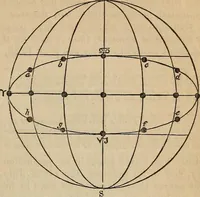
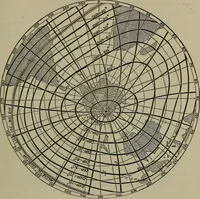
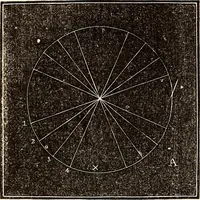
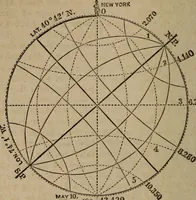
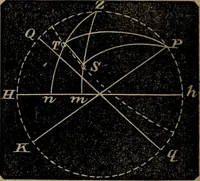
ty of the ecliptic would be least, andabout the 5th of February, the 6th of May, the8th of August, and the 8th of November this dif-ference would be greatest. As there is only onesun, and his apparent motion is always in theecliptic, let us call him the real sun, and the other,which is supposed to… … northern half of the ecliptic from °f to =c= on theside of the globe next the eye, and M N 0 P, &c.the southern half on the opposite side from =^ to T.Let the points at A, B, C, D, E, F, &c. quiteround from T to T again bound equal portions ofthe ecliptic gone through in equal times by…
Astronomy
Internet Archive · Library of Congress · Public Domain Mark 1.0. Free to use for anything.