The wonders of the heavens, being a popular view of astronomy, including a full illustration of the mechanism of the heavens; embracing the sun, moon, and stars, with descriptions of the planets, comets, fixed stars, double stars, the constellations, the galaxy, or milky-way, the zodiacal light, aurora borealis, or norhtern lights, meteors, clouds, falling stars, aërolites, &c (1837)
Bradford, Duncan. [from old catalog] · Boston, American stationers company · leaf 343
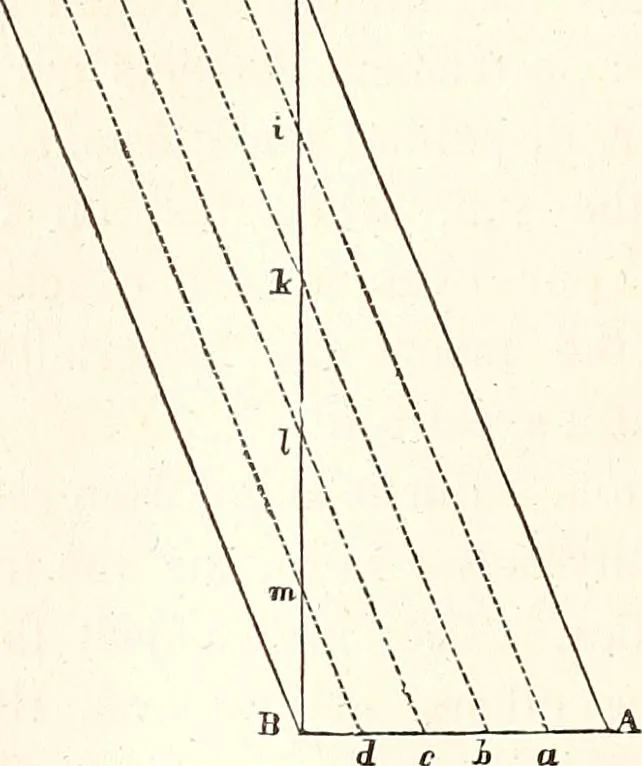
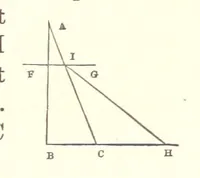
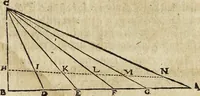
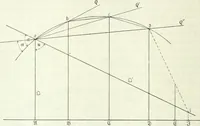
earths annualrevolution in its orbit. He perceived, that, if themotion of light be progressive, the apparent placeof a fixed object would not be the same when theeye is at rest as when it is moving in any otherdirection than that of the line passing through theeye and the object, and that, Mhen the… … A B represent a part of the earths orbit, and C Ba ray of light falling from a star perpendicularlyupon the line B A. If the eye be at rest at B, theobject will appear in the direction BC, whetherlight be propagated in time or instantaneously; butif the eye be moving from A toward B, and lightbe…
Astronomy
Internet Archive · Library of Congress · Public Domain Mark 1.0. Free to use for anything.