Textile raw materials and their conversion into yarns : (the study of the raw materials and the technology of the spinning process) a text-book for textile, trade and higher technical schools, as also for self-instruction ; based upon the ordinary syllabus and curriculum of the Imperial and Royal Austrian weaving schools (1901)
Zipser, Julius, Salter, Charles · London : Scott, Greenwood · leaf 372
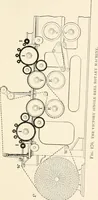
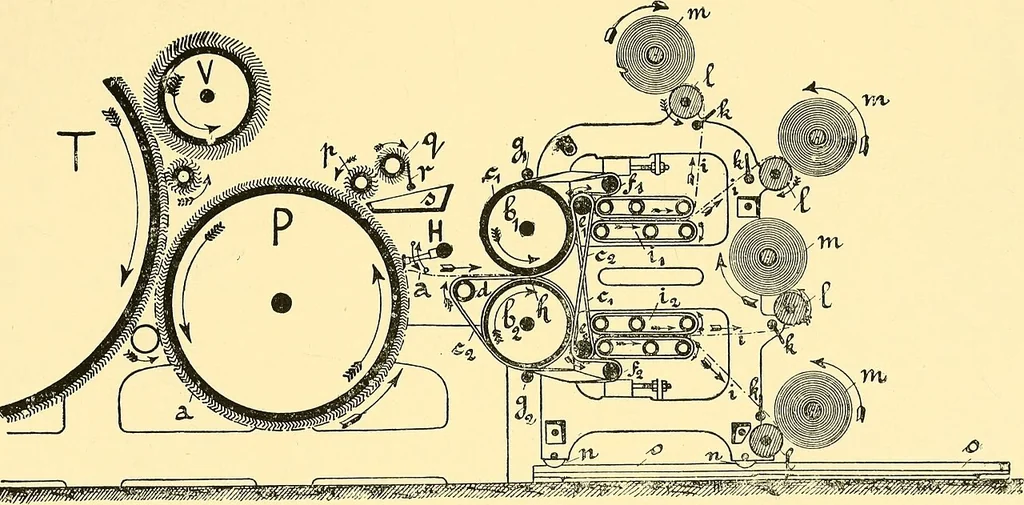
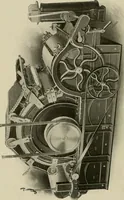
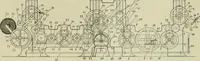
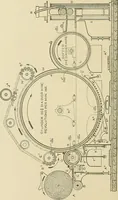
y broken ends of sliver from the upper pair of bobbinsand so prevent them from getting entangled with the lowerslivers. N.B.—For medium yarns ninety slivers are produced andare wound on three wooden bobbins (thirty on each). In thecase of coarse yarns forty belts produce an equal number ofslivers,… … 366 TEXTILE RAW MATERIALS. consists in employing three rubbing belts instead ot two, ineach set, the result of which is to increase the effect on thebands of fleece and produce sufficiently coherent sliver, anobject otherwise impossible to accomplish. Fig. 234 alsoshows the roller, p, for cleaning…
Textile fibers · Spinning
Internet Archive Book Images · Claire T. Carney Library, University of Massachusetts Dartmouth · No known copyright restrictions (public domain). Free to use for anything.
![An illustration from [Graphophone patents] (1878)](https://img.insideoutlibrary.com/img/200/ia-graphophonepaten20unit-867-394.webp)
![An illustration from [Graphophone patents] (1878)](https://img.insideoutlibrary.com/img/200/ia-graphophonepaten10unit-139-116.webp)