American horological journal, devoted to practical horology (1869)
Miller, George B · New York, G. B. Miller · leaf 242
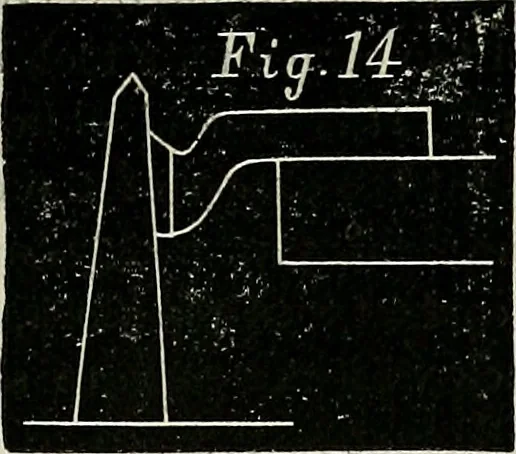
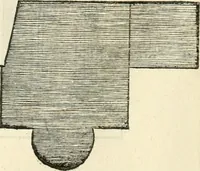
ter the shape of the tool bygrinding its upper face. Naysmiths conegauge, Fig. 14, allows of a ready means offorming the sides accurately. It is most sim-ply made, of a cone of iron turned to an angleof 3°, and broad enough at its base to stand byitself. Two circles can be traced on it, oneshowing… … slide rest, and verified from the lathe bed or theelide rest after it has been fixed in position. Thelower faces of each edge are to be applied tothe gauge. The front line of the point variesslightly with the variations of the plan angleof the tool, but the section angle is always tobe measured…
Clocks and watches
Internet Archive · Smithsonian Libraries · Public Domain Mark 1.0. Free to use for anything.