A compendium of astronomy; containing the elements of the science, familiarly explained and illustrated, with the latest discoveries. Adapted to the use of schools and academies, and of the general reader (1850)
Olmsted, Denison, 1791-1859 · New York, R. B. Collins · leaf 185
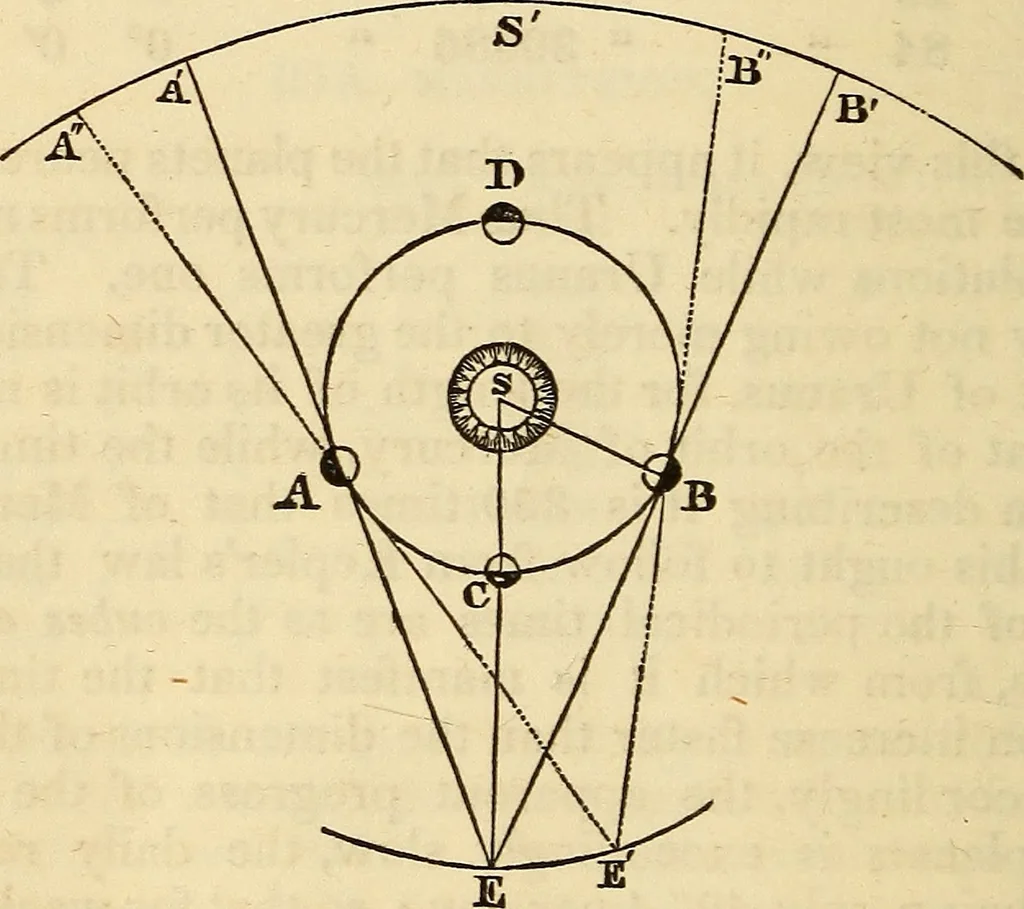
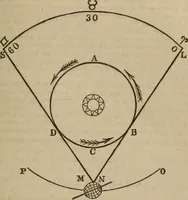
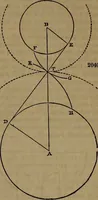
revolutions does Mer-cury perform while Uranus performs one ? What is the dailyrate of Uranus ? 172 THE PLANETS. far; and Venus never more than about 47° (47; 12).Both planets, therefore, appear either in the west soonafter sunset, or in the east a little before sunrise. Inhigh latitudes, where the… … Let S (Fig. 40,) represent the sun, ADB the orbit ofMercury, and E the place of the Earth. Each of theplanets is seen at its greatest elongation, when a line,EA or EB in the figure, is a tangent to its orbit. Thenthe sun being at S in the heavens, the planet will be 217. What is Mercurys greatest…
Astronomy
Internet Archive · Library of Congress · Public Domain Mark 1.0. Free to use for anything.