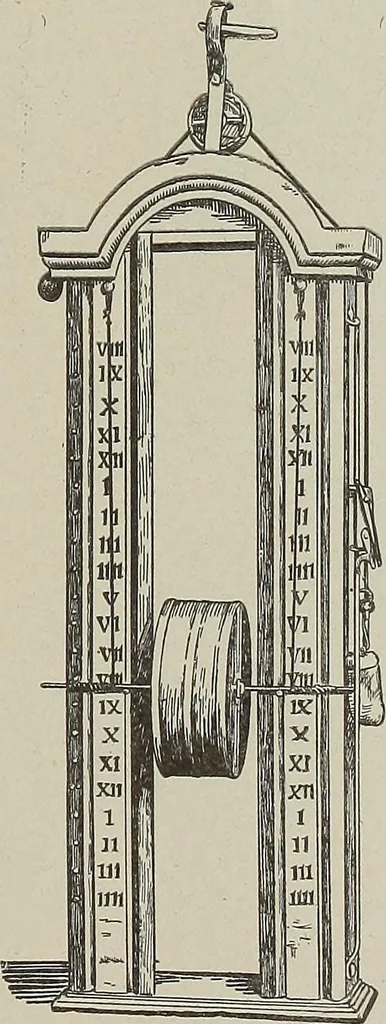
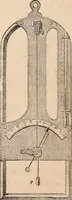
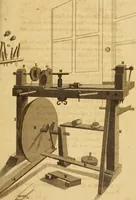
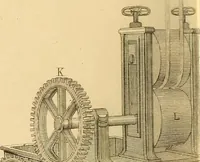
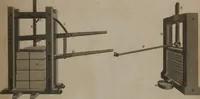
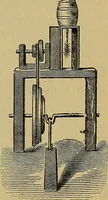
ng the time of daywas afforded by the shadow which fell from the polos.The latter was not, at first, set upon a dial face, like thestyle or gnomon, but consisted simply of an uprightstaff placed in a basin marked with lines to indicate thetwelve divisions of the day. The invention of this… … A Clepsydra of the Seventeenth Century. Upon the frame are the hour marks, the time being indicated by the axis of the slowly-revolving drum, which is supported by nails. made later, for before this came into use time wasmeasured by the regular flow of water. The clepsydra or water-clock, which was…
Pottery · Glass · Glassware
Internet Archive · University of Illinois Urbana-Champaign · Public Domain Mark 1.0. Free to use for anything.