Cycling art, energy and locomotion: a series of remarks on the development of bicycles, tricycles, and man-motor carriages (1889)
Scott, Robert Pittis · Philadelphia, J. B. Lippincott · leaf 108
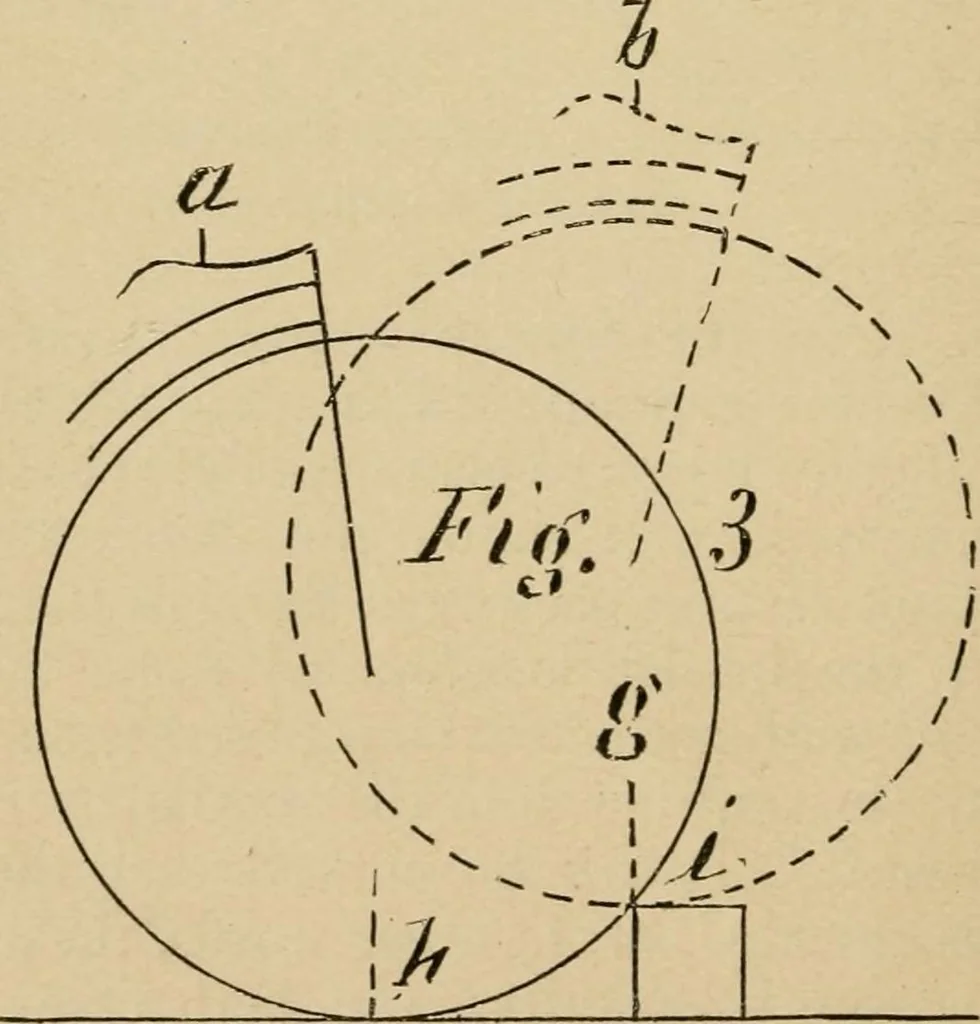
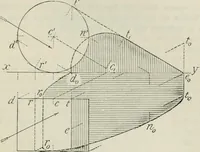
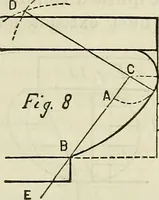
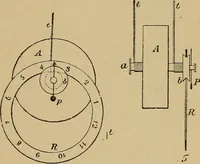
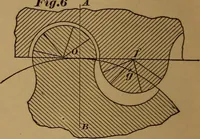
element of anobstacle in the path, tlie difference is much more in favorof No. 2. Let us compare the action of both classes ofmachines against a four-inch obstruction. In all casesthe action of No. 1 machine will be the same,—that is,the wlieel will remain in contact at /i, Fig. 1, and thesaddle… … Anti-header wheel action on obstruction. The point of contact, h, over and beyond whicli thecentre of gravity must be thrown, will not only moveforward, as shown in Fig. 2, but will move to the topof the obstacle i. Fig. 3. Or, if the question is one ofa rut or indentation in the surface of the…
Cycling · Bicycles
Internet Archive · Boston Public Library · Public Domain Mark 1.0. Free to use for anything.